The lifespan of a thermal pad for a graphics card can vary depending on several factors, including the quality of the pad, the operating conditions of the graphics card, and the overall usage patterns...
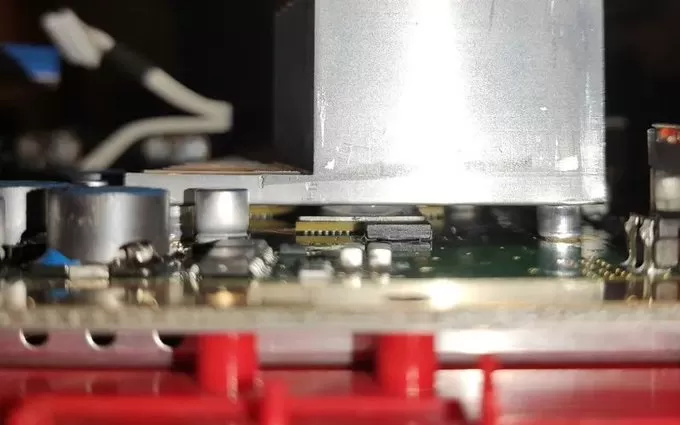
Gap Distance: Measure the distance between the heat source (e.g., a chip or component) and the heat sink or cooling solution. This distance will help determine the required thickness of the thermal pa...
Good compression properties are critical to the selection and application of thermal interface materials. With proper compression, thermal interface materials can fill gaps, provide maximum thermal co...
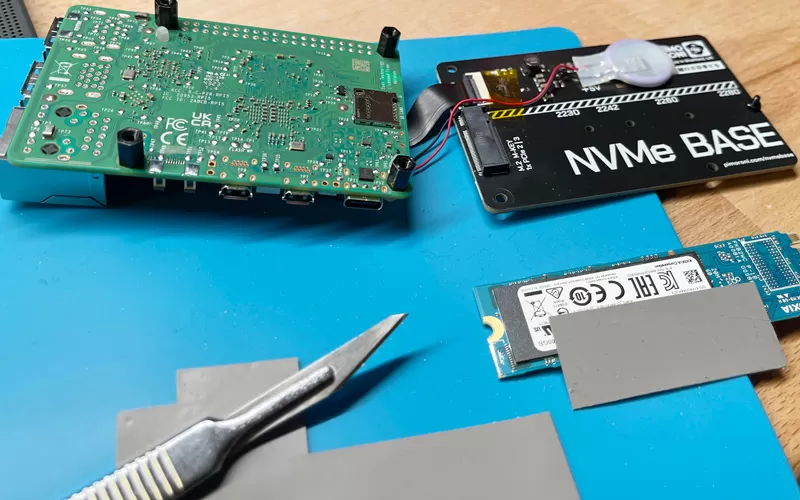
Thermal pads are available in various thicknesses, including 1.5mm and 1.0mm. The choice of thickness depends on the specific application requirements and the gap size between the components you are w...
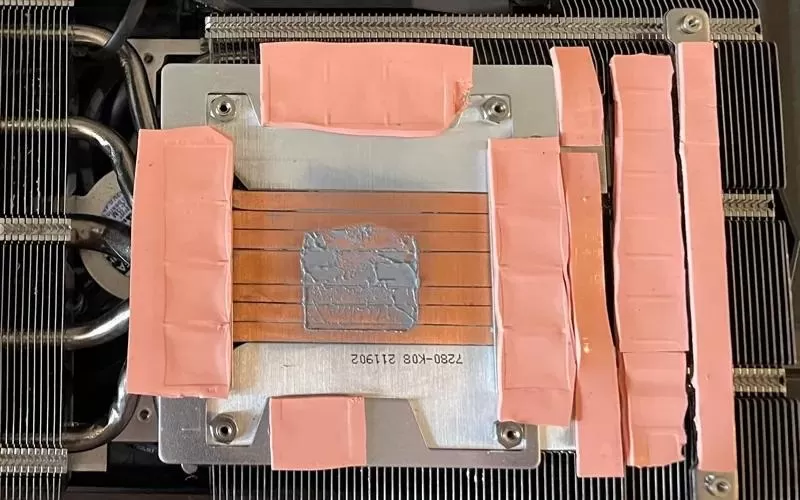
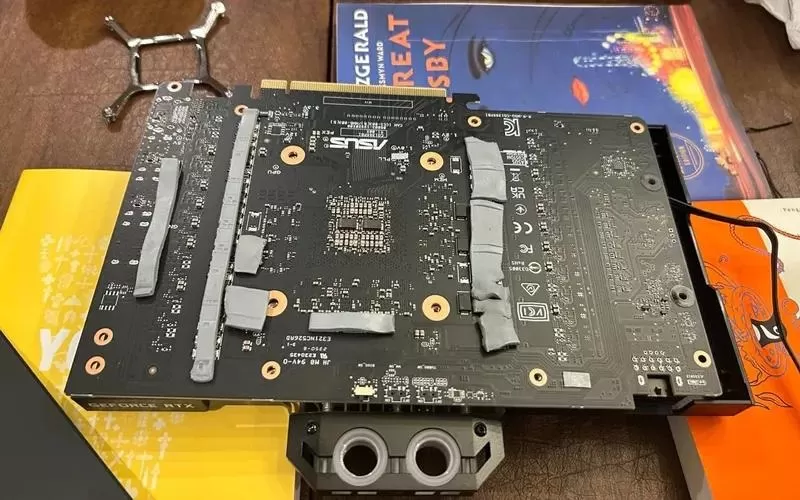
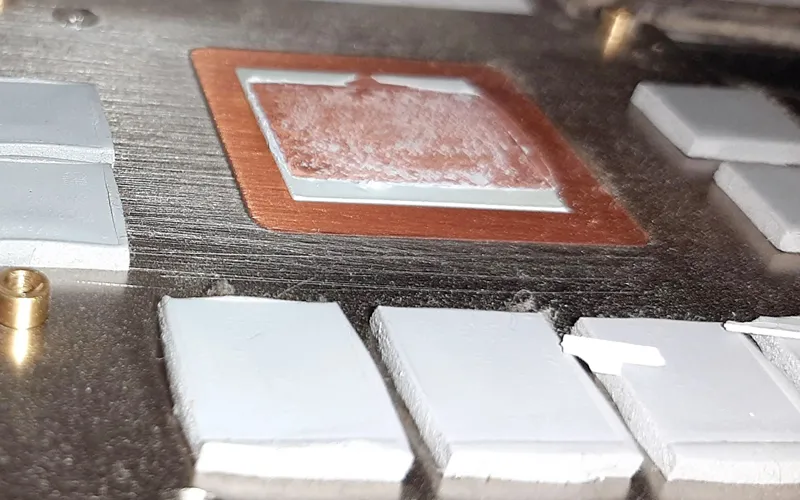
Thermal pads are designed to facilitate the transfer of heat between two surfaces by filling the gaps and imperfections between them. They are made of a soft, compressible material with good thermal c...
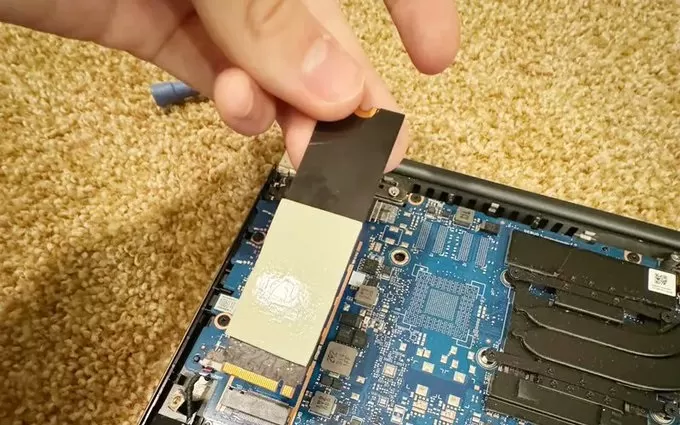
If you have forgotten to remove the top and bottom plastic film on a thermal pad, it's important to rectify the situation. The thermal pad plastic film acts as a protective layer and should be rem...
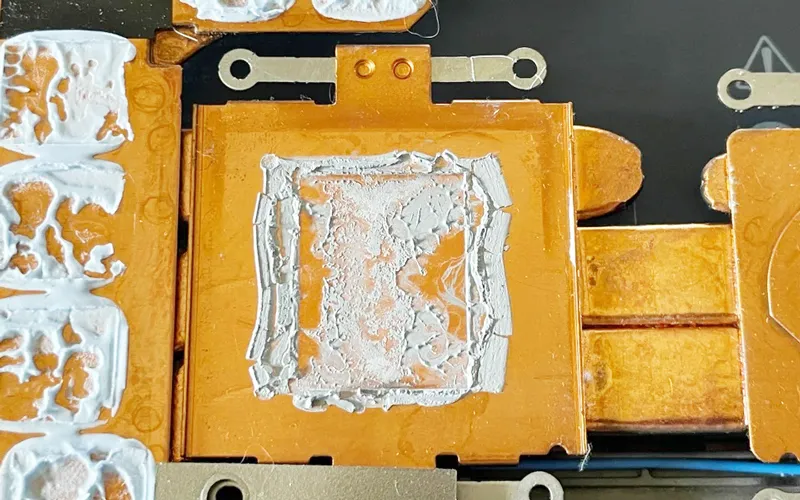
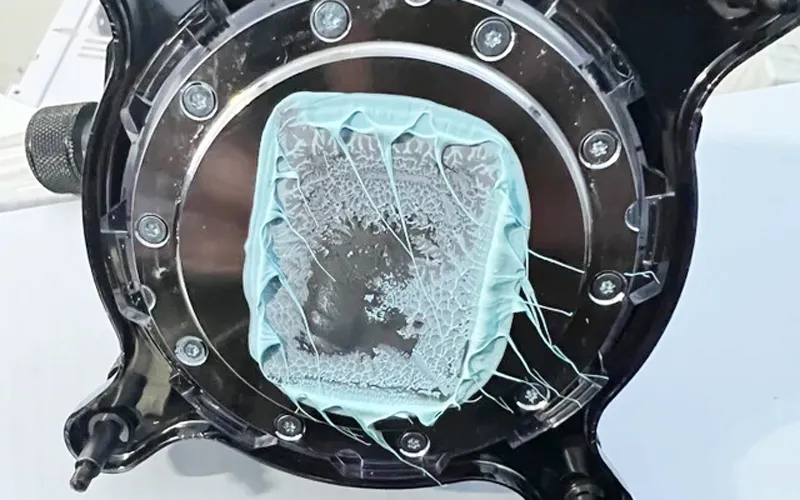
Using a thick layer of thermal paste instead of thermal pads is not recommended. Thermal paste and thermal pads serve different purposes and have different properties that make them suitable for speci...
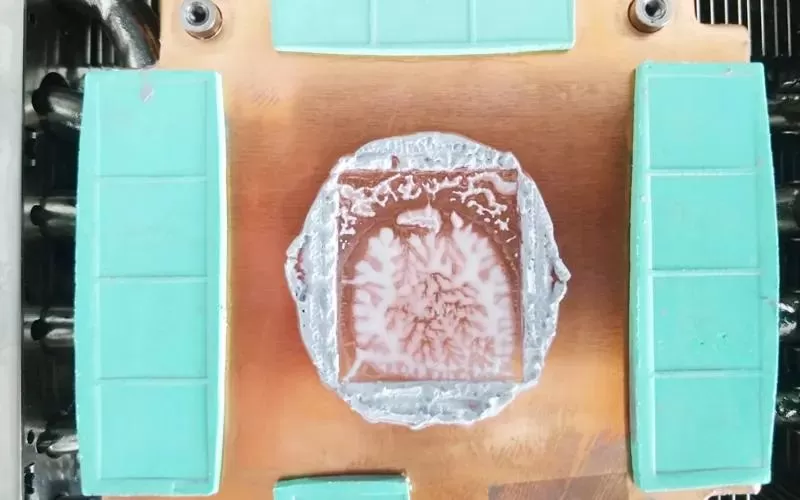
Thermal paste and thermal gel are both types of Thermal Interface Materials (TIMs) used to enhance the thermal conductivity between two surfaces, typically between a heat source (like a CPU or GPU) an...
The choice between thermal paste and a thermal pad for a CPU depends on various factors, including personal preference, specific CPU and cooling solution requirements, and the desired level of thermal...
We use cookies to optimise and personalise your experience, but you can choose to opt out of non-essential cookies.
To find out more, read our Privacy Policy


 +86 755 2976 5899

 English