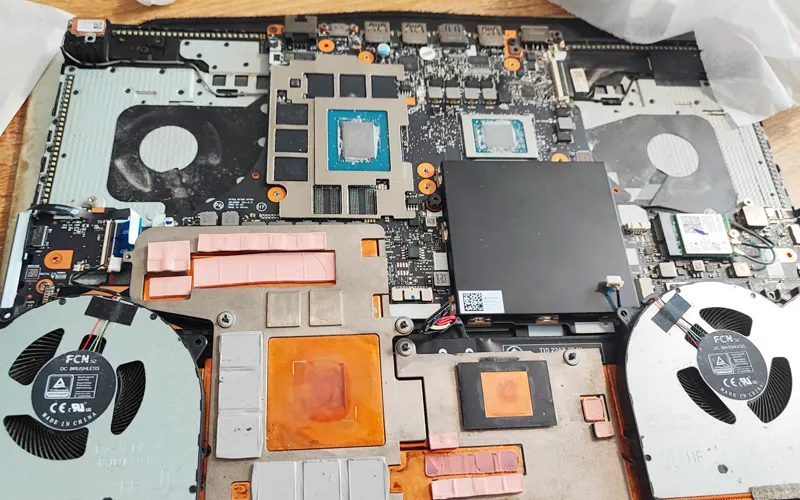
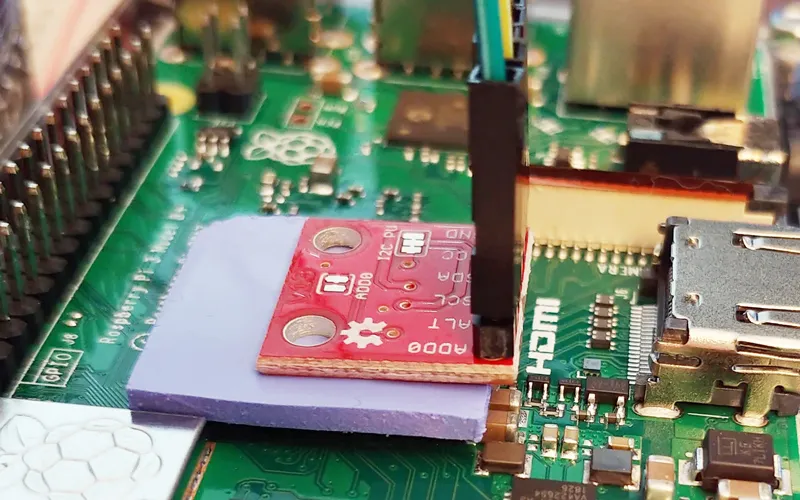
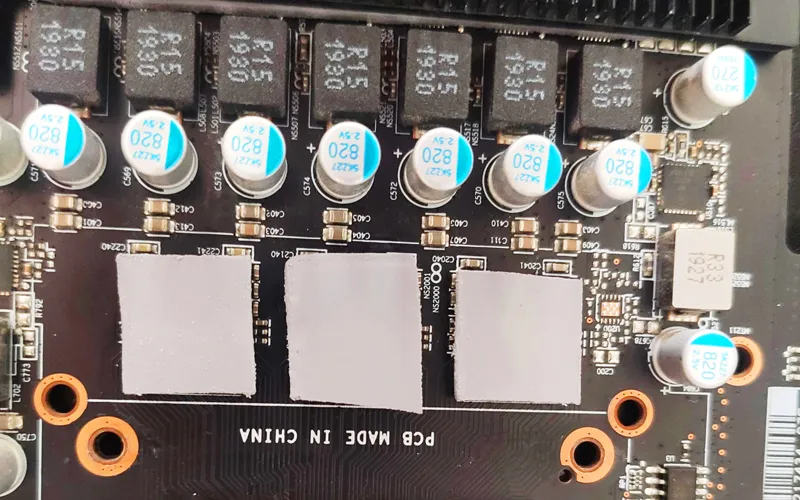
Thermal compound pads, also known as thermal pads or thermal interface pads, are used in laptops for several reasons:Heat Transfer: Laptops generate heat during operation, primarily from components li...
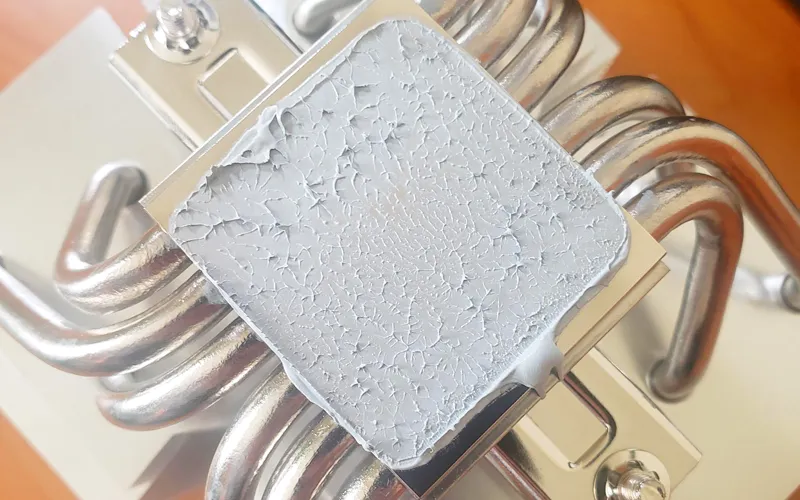
If you have a thermal pad that is dry and brittle, it may indicate that the pad has aged or has been exposed to unfavorable conditions. Here are a few possible reasons and suggestions to address the i...
Using thermal grease on VRMs (voltage regulator modules) is generally not recommended. VRMs are responsible for regulating and supplying power to the CPU or GPU on a motherboard. While thermal grease ...
Thermal Interface Materials (TIMs) play a crucial role in optimizing heat transfer across devices and components in various electronic systems. They are designed to fill the microscopic air gaps and i...
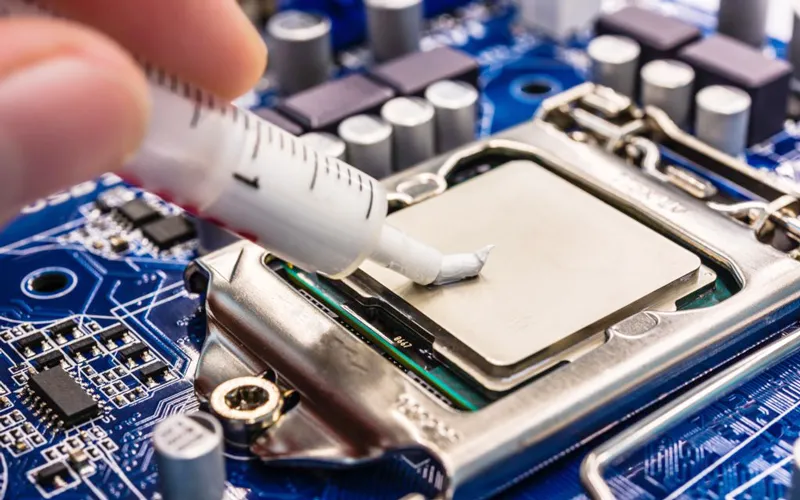
Thermal grease are an essential component in electronics that help dissipate heat away from components and prevent them from overheating. Thermal grease, also known as thermal paste or thermal compoun...
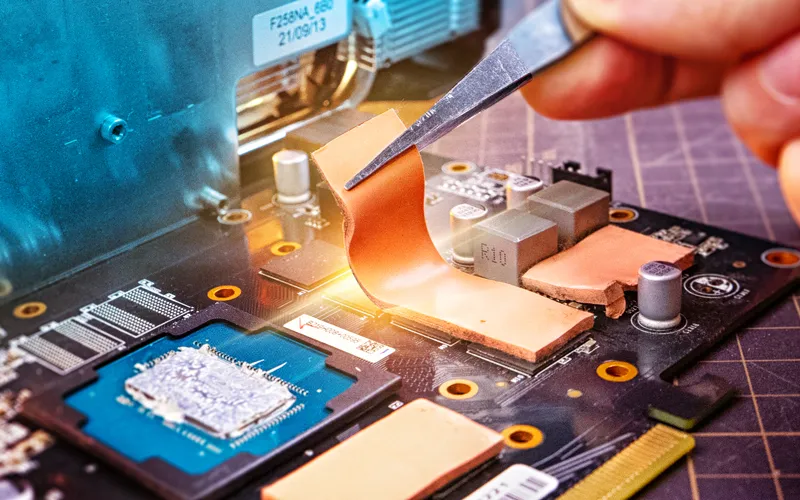
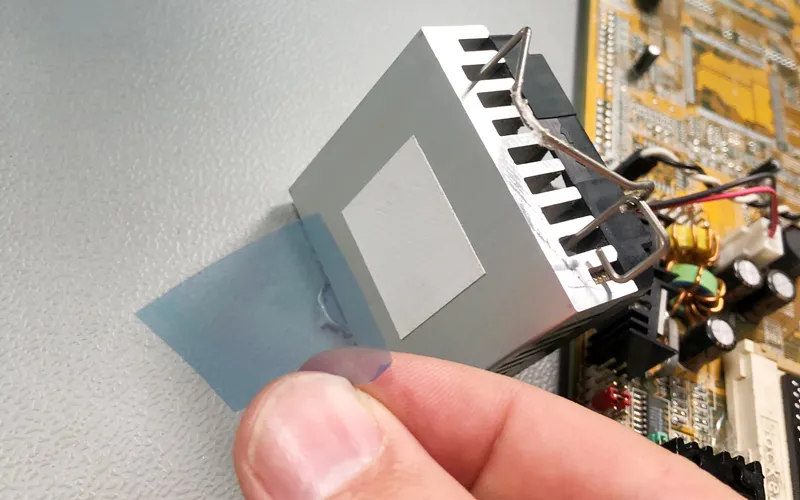
Here are the basic steps to apply a thermal relief pad:Clean the surfaces - Make sure the surfaces where the pad will be applied are clean, dry and free of debris. This ensures best adhesion.Cut the p...
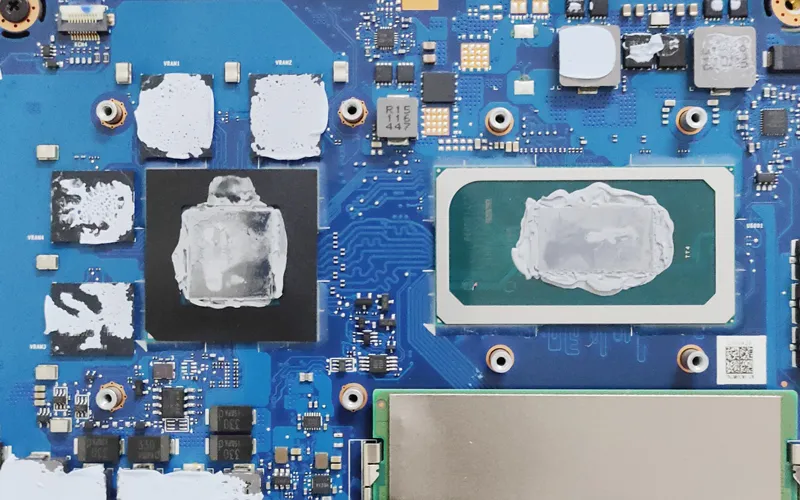
Cleaning dried thermal silica gel can be challenging, as it tends to adhere strongly to surfaces. However, here are some steps you can follow to clean dried thermal silica gel:1. Soften the Thermal Si...
When cutting thermal pads, it's important to avoid certain common mistakes to ensure accurate cuts and optimal performance. Here are some mistakes to avoid:1. Using Dull or Improper ToolsUsing dul...
If the thermal pads in your system are torn, It's generally recommended to replace them. Here are a few reasons why you should consider replacing torn thermal pads:1. Heat Transfer EfficiencyTorn ...
We use cookies to optimise and personalise your experience, but you can choose to opt out of non-essential cookies.
To find out more, read our Privacy Policy


 +86 755 2976 5899

 English