One-Part Dispensable Thermal Interface Materials
AOK TM Series thermal putty offers conformable thermal interface options for electronic assemblies with uneven surfaces or component-height variation. Explore grades with different material forms and curing behaviours, then match the material to your gap, assembly conditions and dispensing process. Review the grade details or share your application requirements with AOK.


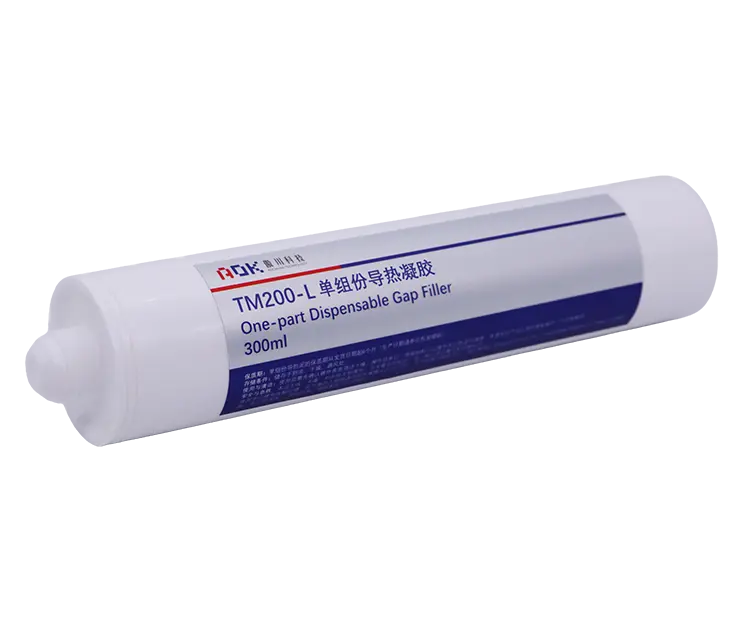
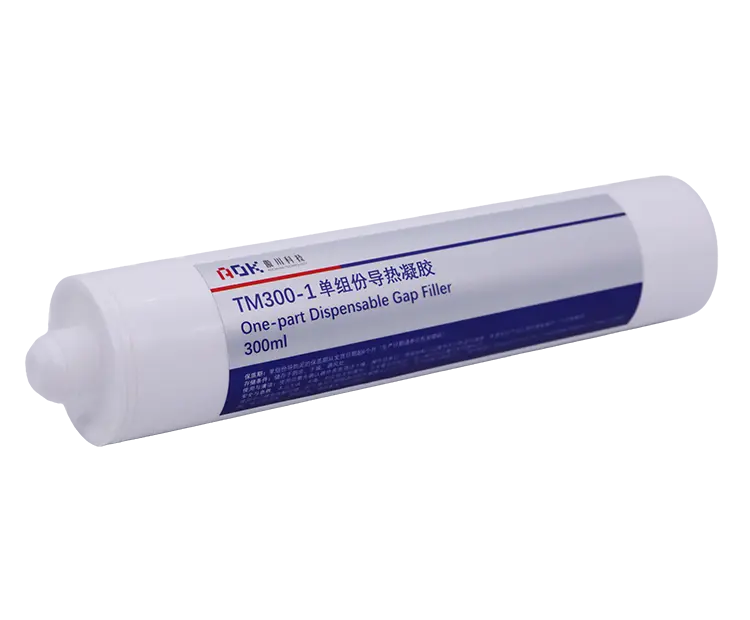

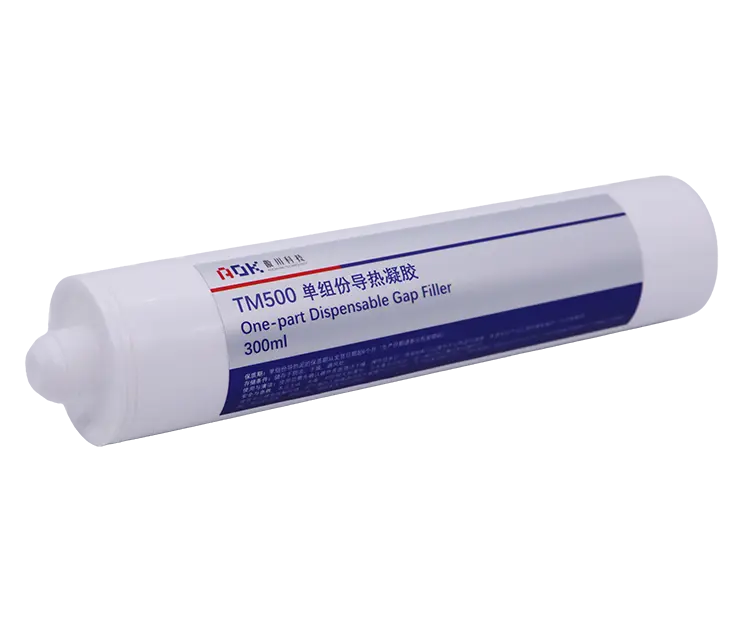
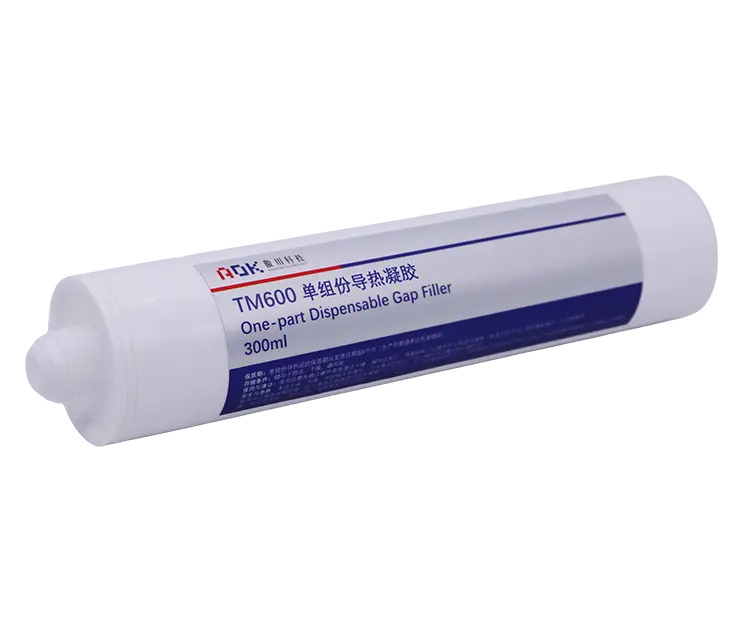
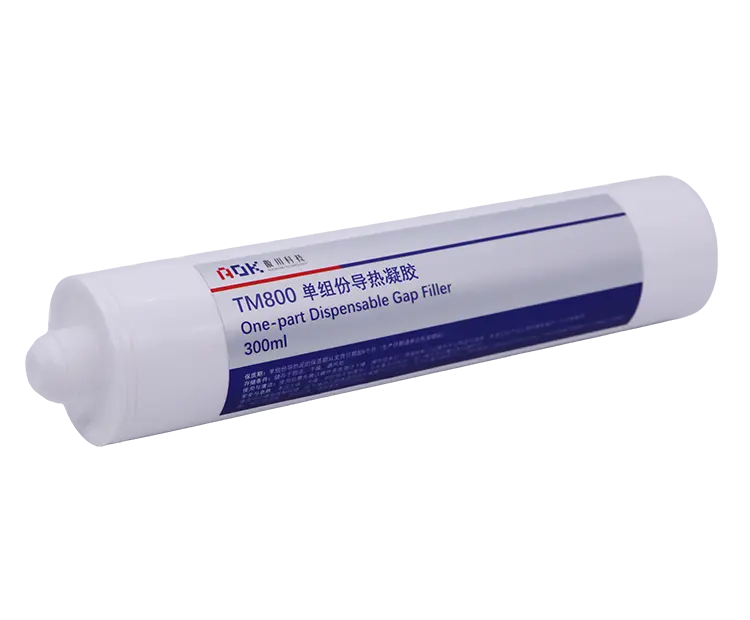

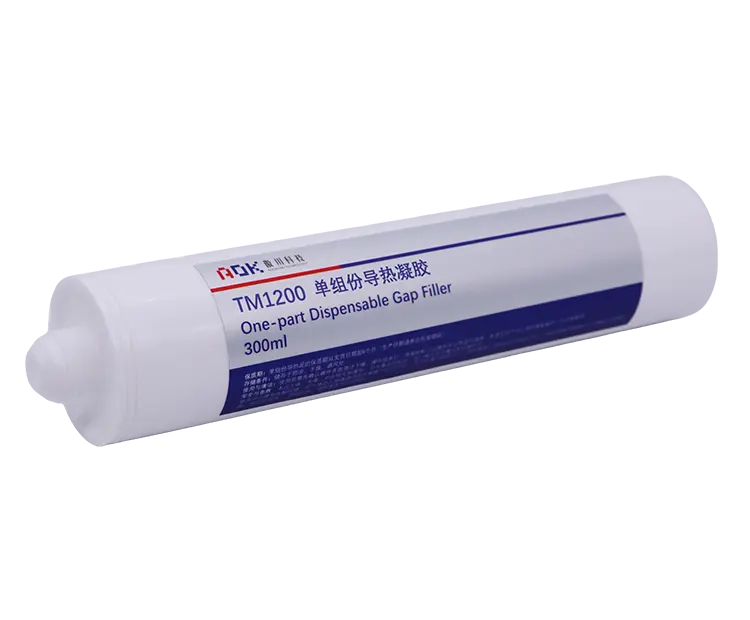
Available in 30 mL, 50 mL and 300 mL cartridges, plus 5 kg and 20 kg packaging for different production needs.

2.0–15.0 W/m·K thermal conductivity for various heat dissipation requirements.

Provides reliable electrical insulation while supporting efficient heat transfer.

Conforms to uneven gaps with minimal pressure on sensitive electronic components.

Operates from -40°C to 150°C for a wide range of electronic applications.

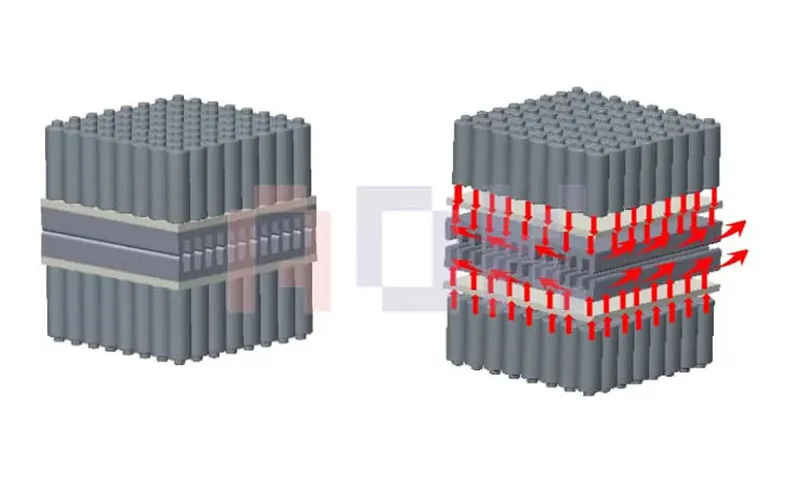
Fills air gaps and improves thermal contact between components and heatsinks.

Supports automated dispensing processes for efficient and consistent material application.

V-0 flammability performance for electronic thermal management applications.
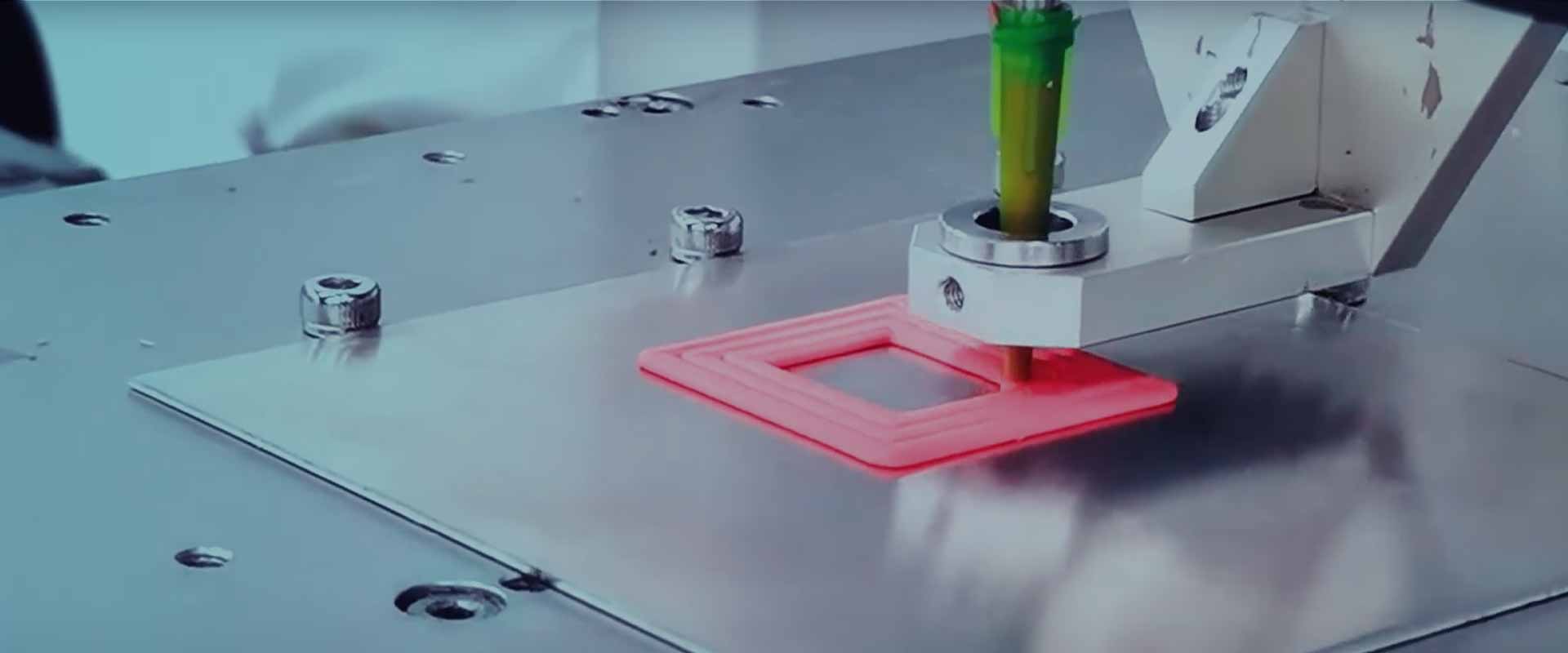
Selecting the right thermal putty involves more than thermal conductivity. AOK TM Series offers different thermal performance and dispensing characteristics to meet various electronic assembly needs. Consider the interface gap, thermal resistance, dispensing process, and electrical requirements to identify a suitable grade for your application.
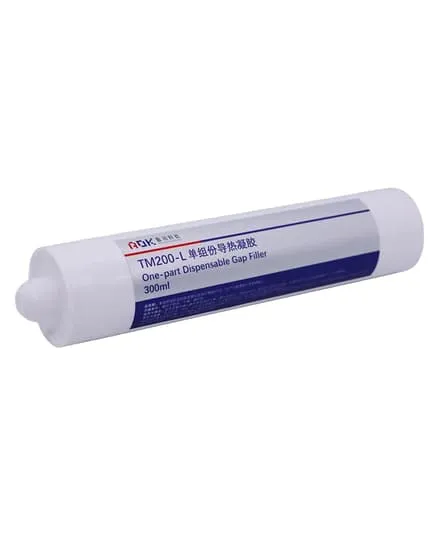
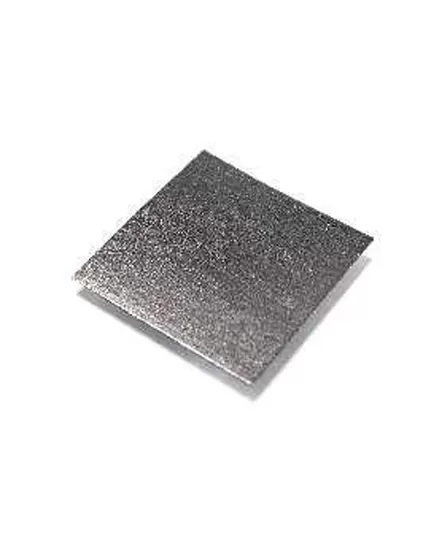
Thermal putty, thermal paste and thermal pads are all thermal interface materials, but they are not interchangeable in every application.
The appropriate material depends on interface geometry, assembly conditions and the required heat-transfer path.
| Feature | Thermal Putty | Thermal Paste / Grease | Thermal Pads |
| Material form | Conformable, moldable or dispensable material | Paste-like compound | Preformed sheet |
| Typical interface consideration | Irregular or varying gaps | Thin interfaces with close surface contact | Defined gaps and specified compression |
| Application method | Dispensing or placement, depending on grade | Controlled application of paste | Placement of preformed pad |
| Thickness control | Depends on deposit and assembly | Depends on interface design | Based on nominal thickness and compression |
| Manufacturing consideration | Flow properties, dispensing and assembly | Application consistency and interface conditions | Thickness, positioning and compression |
| Selection requirement | Grade-specific and application-specific validation | Grade-specific and application-specific validation | Grade-specific and application-specific validation |
Thermal paste is commonly used in thin interfaces between closely mated surfaces, while thermal putty is considered for applications requiring gap filling and accommodation of surface or component-height variation.
Thermal conductivity alone does not establish which material will perform better.
The selection should account for the interface thickness, contact conditions and application requirements.
Further Reading: Thermal Putty vs Thermal Paste: Key Differences
Thermal pads provide a preformed material with a specified nominal thickness. They can be suitable for repeatable assembly when the interface dimensions and compression requirements are known.
Thermal putty offers a different application approach where the material needs to conform to irregular surfaces or accommodate variations in component height.
Neither material is universally better. Performance depends on the selected grade and the intended assembly.
Further Reading: Thermal Putty vs Thermal Pads: Material and Heat Transfer Differences




 +86 755 2976 5899


 English