Thermal interface material format affects assembly flow as well as heat transfer. It determines how the material is placed, inspected, compressed, cured, and reworked. Select a format that fits the gap geometry and the production process, then verify repeatability on the intended line.
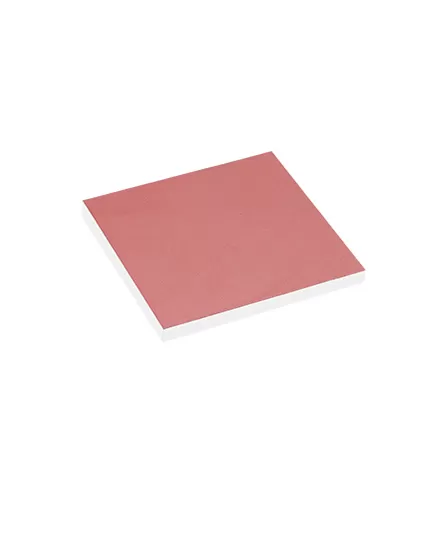
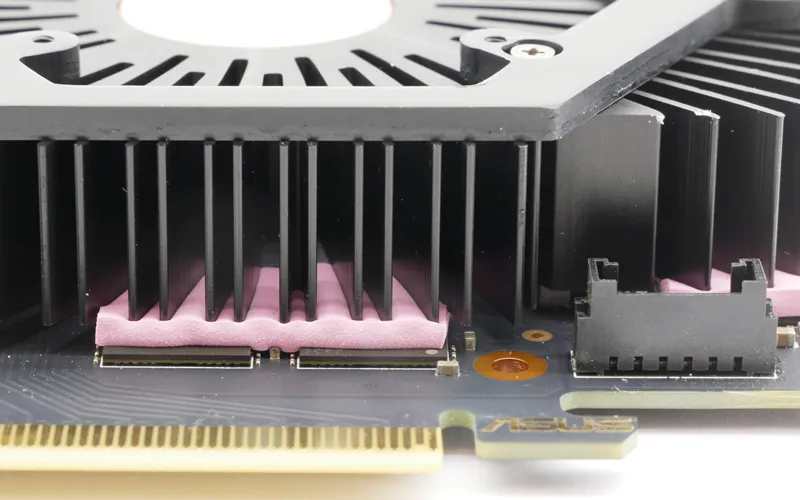
A preformed pad supplies a defined shape and thickness. It can simplify placement when the component geometry and gap are stable. Die-cut parts can match outlines and avoid mounting holes; liners can help with handling. Define orientation, film removal, surface cleanliness, placement accuracy, coverage, and compression in the work instruction.
For a fixed interface, compare the required thickness, compression behavior, electrical properties, and cut geometry with the actual assembly. AOK offers sheet and custom die-cut pad options; confirm the grade and drawing revision for the chosen part.
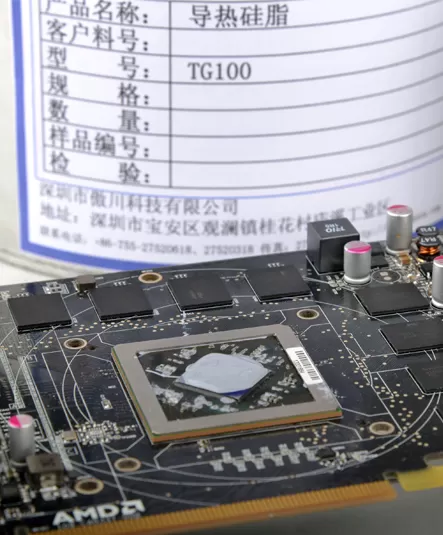
A dispensed material can conform to irregular surfaces and different component heights. Before changing from a pad, evaluate dispense pattern, volume repeatability, equipment, mixing, cure, inspection, and rework. The AOK TF Series data sheet describes a two-part, 1:1-mix gap filler that cures at room temperature and is intended for high-volume applications. Confirm the specific grade, cure schedule, and equipment settings in the current data sheet and production trial.
One-part putty, two-part gap filler, and gel differ in application and cure behavior. Choose by the gap shape and process sequence. A dispensed putty may suit uneven interfaces where a preformed shape is difficult to manage; a two-part material adds mix-ratio and cure controls. For gel, check viscosity, flow, stability, equipment compatibility, and rework for the exact grade.
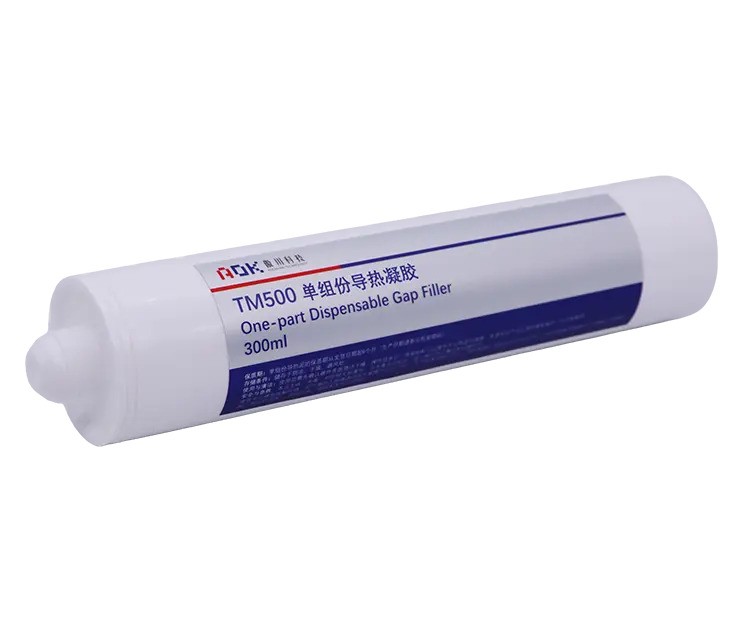
To compare thermal paste and gel, review bond-line needs, dispense behavior, spread, migration, and rework. See AOK’s thermal paste and gel guide.
For two-part materials, record mix ratio, dispense pressure, mixer or nozzle, material temperature, working time, cure schedule, and inspection criteria. For one-part products, define storage, handling, placement or dispensing method, bead geometry, and contamination controls. For pads, specify grade, drawing, thickness tolerance, die-cut edge quality, liner, packaging, and placement sequence.
| Format | Process checks |
| Preformed pad | Die-cut tolerance, liner removal, location, coverage, compression |
| Two-part gap filler | Mix ratio, bead pattern, volume, working time, cure, inspection |
| One-part putty | Storage, dispense consistency, gap coverage, handling |
| Grease or gel | Film or bead control, spread, migration, compatibility, rework |
For pads, check orientation, full coverage, wrinkles, liner residue, and damage. For dispensed materials, inspect pattern continuity, missed areas, voids, mixing consistency, and cure completion where applicable. Visual inspection can find placement defects, but it does not establish thermal performance; pair it with representative thermal and mechanical validation.
Align the product grade, drawing revision, test method, storage rules, batch identification, packaging, change notification, and acceptance criteria. Keep samples and records from the approved build when future changes need comparison. Send AOK the gap range, geometry, line equipment, volume, cycle time, electrical needs, and rework policy when requesting a recommendation.

 +86 755 2976 5899


 English