No, thermal putty and thermal paste are not the same, although both belong to the category of thermal interface materials (TIMs) used to improve heat transfer between electronic components and heatsinks. Here are the key differences:
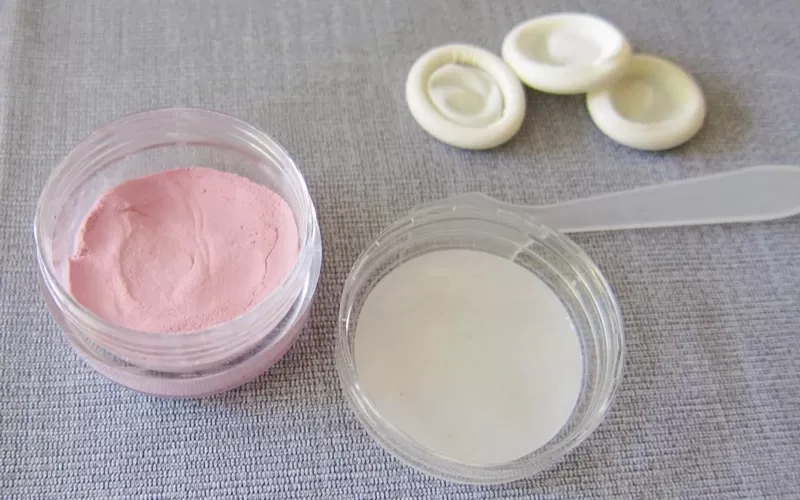
•Thermal Paste: Also known as thermal grease. It's typically a viscous, paste-like substance, designed to fill microscopic gaps between surfaces (like a CPU and a heatsink) to improve heat transfer.
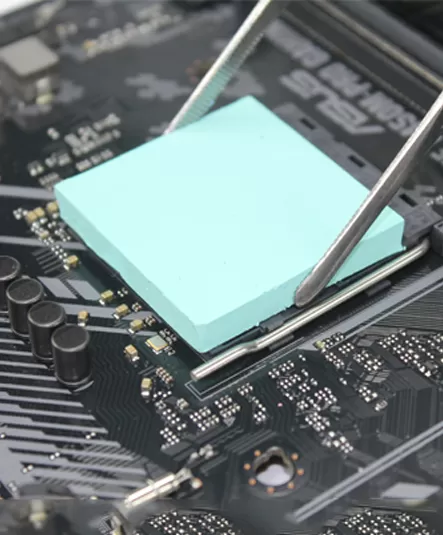
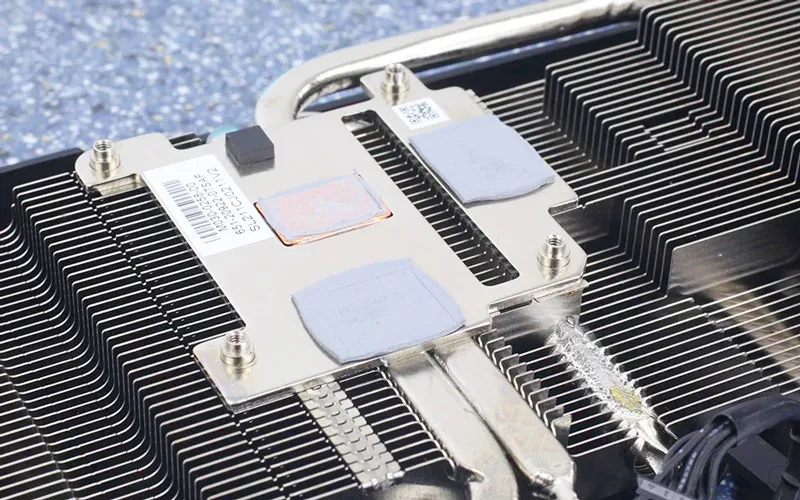
•Thermal Putty: A thicker, more clay-like material known as thermal conductive putty, designed to remain soft and deformable. It is ideal for filling larger or irregular gaps between components.
•Thermal Paste: Applied as a thin layer between two tightly joined surfaces, which is common in CPUs and GPUs.
•Thermal Putty: Suited for uneven or less tightly joined surfaces. Its thicker consistency allows it to fill larger gaps without drying out or being displaced.
•Thermal Paste: Generally offers high thermal conductivity for very thin applications.
•Thermal Putty: Often has lower thermal conductivity than paste, but it performs well in applications requiring more flexibility or coverage.
Thermal putty might be more suitable for larger components or automotive electronics where surface conformity is an issue, while thermal paste is generally used in more compact and high-performance applications, like computer processors.
Feature | Thermal Paste (Thermal Grease) | Thermal Putty (Thermal Conductive Putty) |
Material Form | Viscous, paste-like compound with good flow characteristics | Soft, clay-like, highly deformable material |
Gap Filling Range | Suitable for ultra-thin bond lines | Suitable for medium to large gaps |
Application Method | Applied as a thin, uniform layer between tightly mated surfaces | Pressed or molded to fill irregular or uneven surfaces |
Thermal Conductivity | Generally higher bulk thermal conductivity, optimized for thin layers | May be slightly lower or comparable, but maintains stable performance in thicker layers |
Long-Term Stability | May experience pump-out or drying over long-term thermal cycling | Remains soft and stable, with strong vibration resistance |
Application Scenarios | CPUs, GPUs, high-performance chips, precision electronics | Automotive electronics, power modules, LED systems, uneven assemblies |
Installation Requirement | Requires careful and uniform spreading | Higher tolerance, easier gap conforming installation |
Cost Efficiency | Common in performance-driven applications | More cost-efficient in large-area or structural filling applications |
In general:
Use thermal grease for high-performance computing devices with precise surface contact.
Use thermal conductive putty for automotive electronics, power modules, and assemblies with uneven spacing or structural variation.
As one of the experienced thermal interface material manufacturers, AOK is a high-tech enterprise dedicated to the development, production, and sales of thermal conductive and thermal insulation materials.
Our main product portfolio includes:
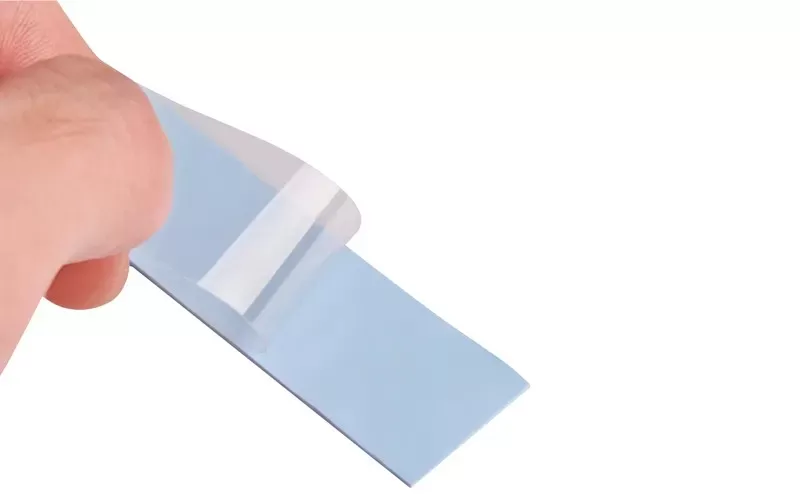
Thermally conductive pad
Thermal gel
Thermal grease
Phase change thermal interface materials
Thermally conductive tape
Silicone foam sheets
Thermal silicone adhesives
Thermal insulation materials
These materials are widely used in:
cell phones, power supplies, LED lighting, computers, automotive electronics, network communications, electrical machinery, and instrumentation industries.
AOK is certified with ISO9001, ISO14001, and IATF16949, and all products comply with UL, SGS, and RoHS standards.
We design and manufacture advanced thermal interface materials for industry leaders worldwide, committed to becoming a global leading supplier of thermal management solutions.
If you are looking for reliable electronic thermal management materials, AOK can provide competitive and customized solutions for your application needs.

 +86 755 2976 5899

 English