Choosing the right thermal interface gel is crucial for effective heat transfer and thermal management in electronic devices. By considering these factors and choosing a thermal interface gel that mee...
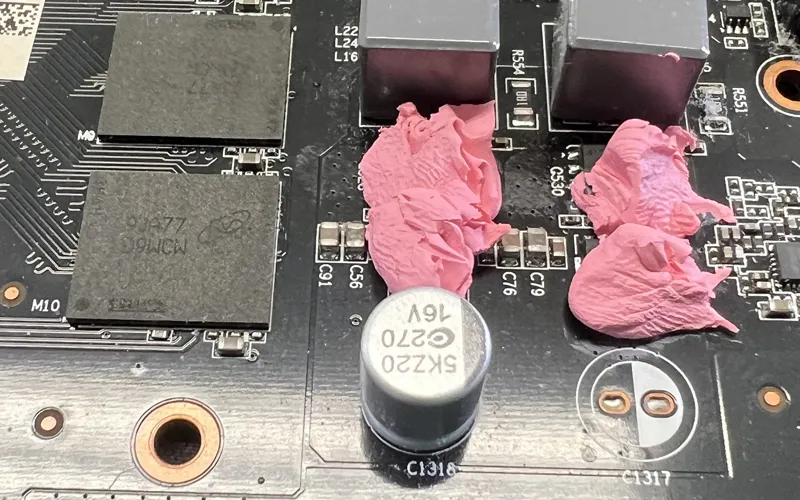
Thermal putty can be a more suitable replacement for thermal pads on VGA cards compared to thermal paste, but it's still not always a perfect replacement.Thermal PuttyThermal putty is more pliable...
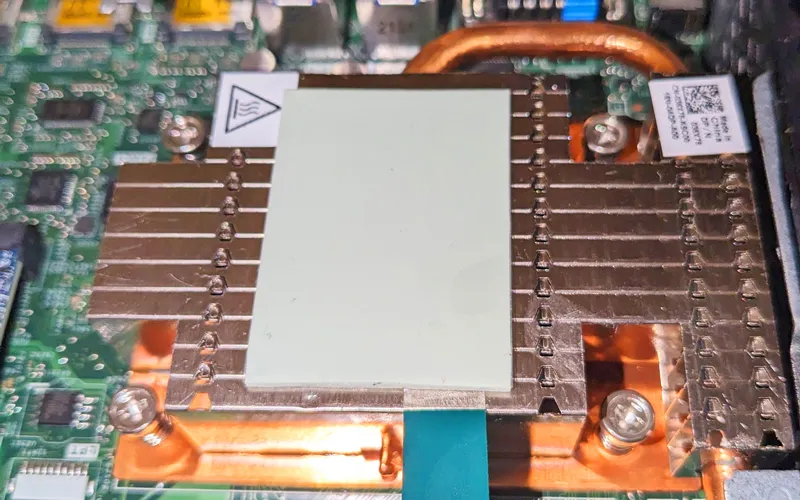
A thermal gap fillers, also known as a thermal interface material (TIM) or a thermal pad, serves a crucial function in electronic devices and systems where heat dissipation is a concern. Thermal gap f...
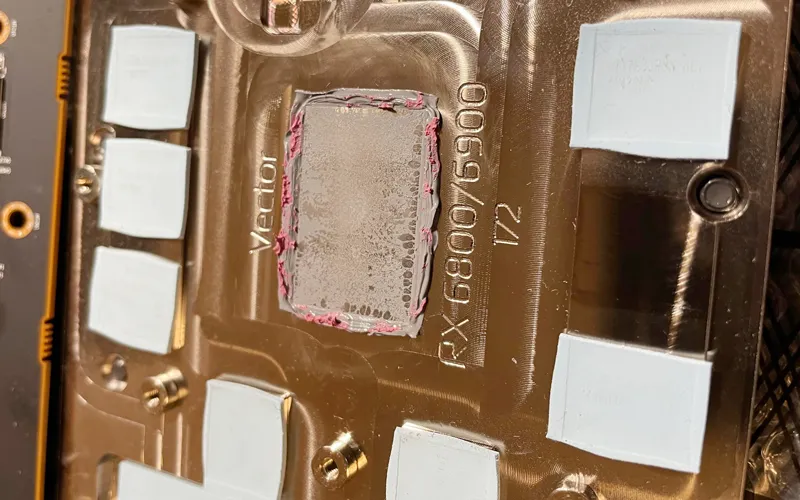
Thermal pads are not necessarily one-time use, their reusability largely depends on the specific design of the thermal pad, the quality of the material, and the conditions under which it has been used...
Self-adhesive thermal pads can be useful in certain situations, depending on the application and the specific needs of your project. They help prevent overheating of electronic components by regulatin...
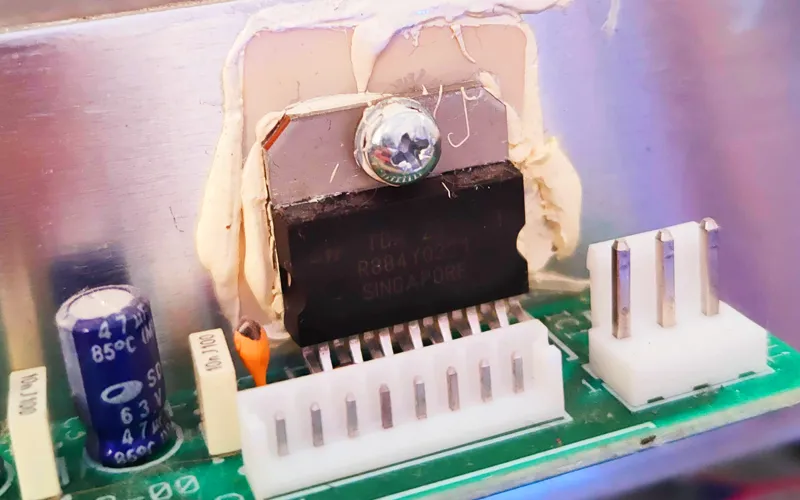
Thermal cooling gel, also known as thermal paste or thermal compound, plays a crucial role in facilitating efficient heat transfer between two surfaces, such as a CPU or GPU and a heatsink. It's c...
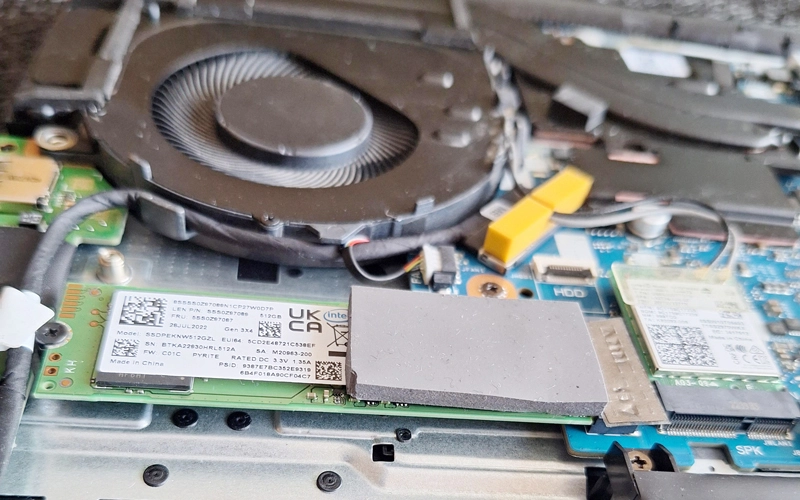
In a laptop, thermal gap filler pads are commonly used in various locations to facilitate heat transfer and improve thermal management.CPU and GPUSilicone thermal pads are often used to bridge the gap...
Heat can make a thermal heat pad softer. From -60 ~ 200°C, there is no significant variance in hardness for silicone gap pad materials and gap fillers. Thermal heat pads are typically made from mater...
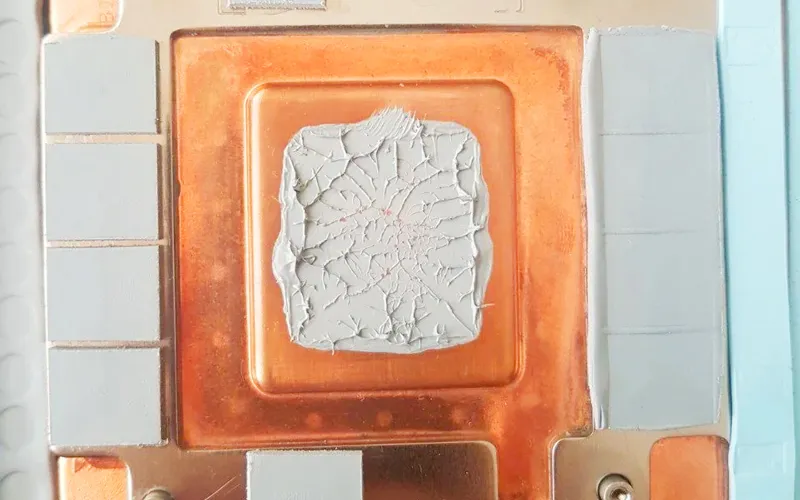
Thermal paste and thermal pads serve different purposes and cannot directly replace each other in all cases. While both are used to facilitate heat transfer between the heat-generating component (such...
We use cookies to optimise and personalise your experience, but you can choose to opt out of non-essential cookies.
To find out more, read our Privacy Policy


 +86 755 2976 5899

 English