Thermal pads are essential for efficient heat transfer in electronic devices. However, some silicone-based thermal pads can experience oil migration, where oils seep out over time, potentially contami...
Thermal pads are designed to conduct heat, not absorb it. Their primary function is to transfer heat away from sensitive components, such as chips or processors, to a heat sink or other cooling system...
In modern electronic devices, heat dissipation is a key factor in ensuring their performance and extending their service life. As electronic components become more and more powerful, the heat generate...
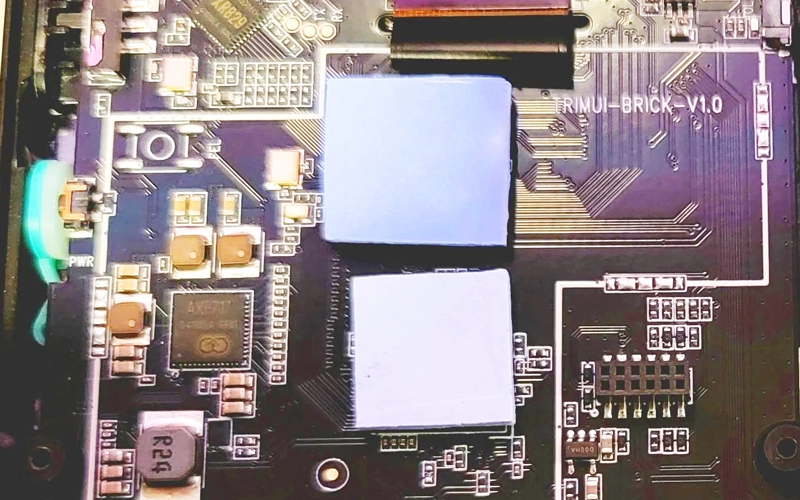
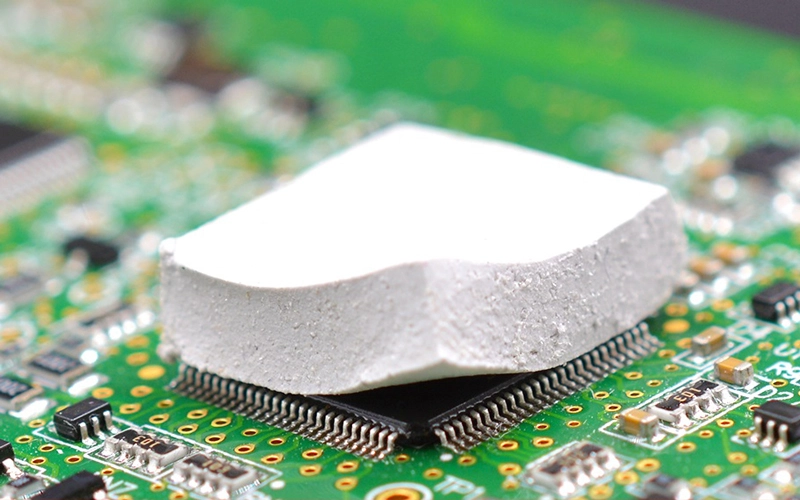
In modern electronic devices, integrated circuits (ICs) are core components that carry complex computing tasks and high-load work. However, as the heat generated by these IC devices increases, heat di...
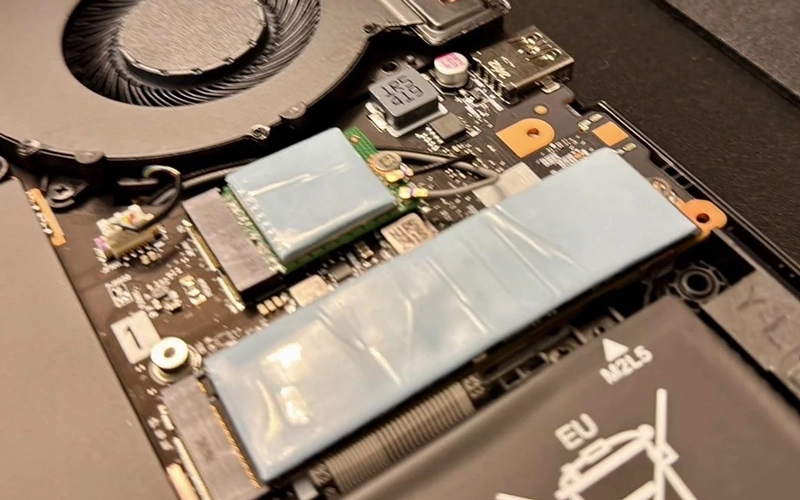
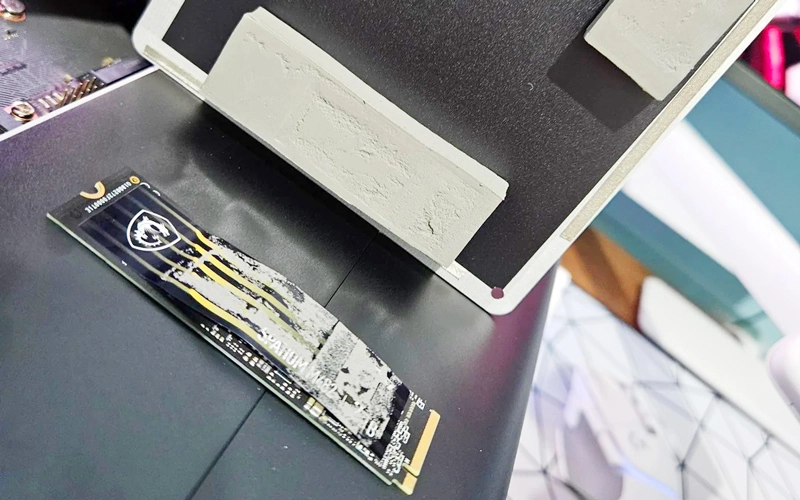
Removing old, sticky thermal pads from an M.2 SSD or any other component can be tricky, but with the right approach, you can do it safely without damaging the surfaces. Here's how to remove the ol...
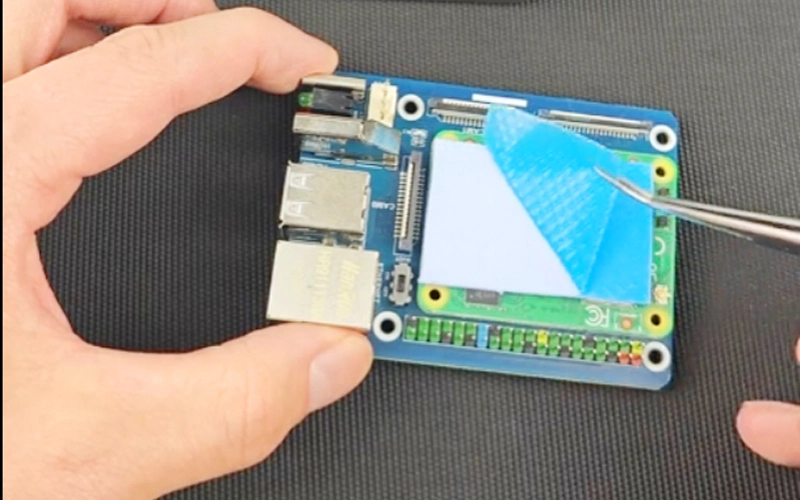
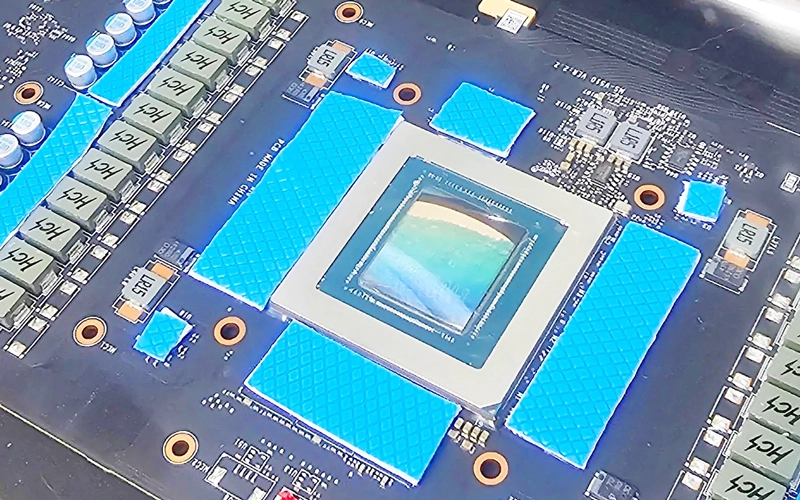
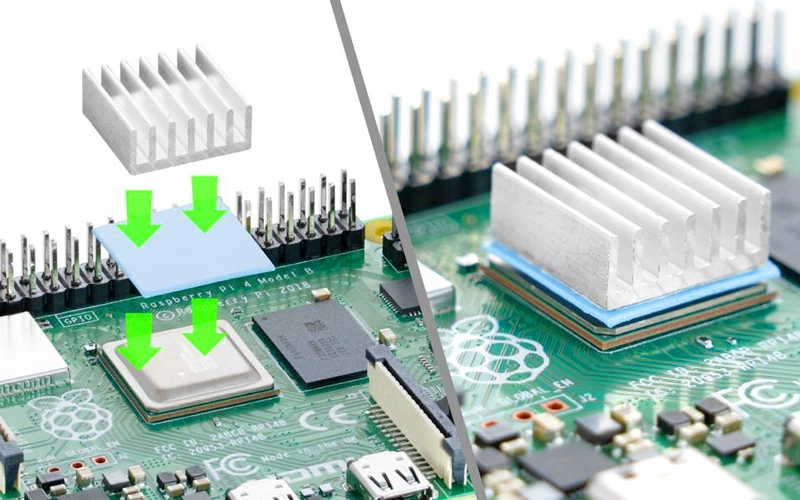
Here are some basic guidelines for where to install the thermal pad1. Determine the Heat SourceIdentify the component that needs to be cooled, such as the processor, graphics card, or other high-power...
Thermal Interface Materials (TIMs) are used to improve heat transfer between two surfaces (typically between a heat sink and a component like a processor or power electronics) by filling microscopic a...
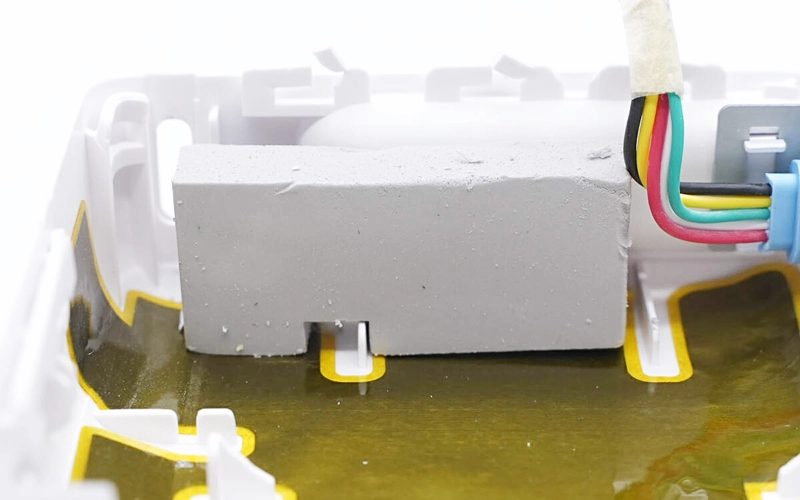
A thermal gap pad with low oil-bleed and low oil migration is typically designed to address concerns in high-performance applications where oil contamination can affect both thermal conductivity and t...
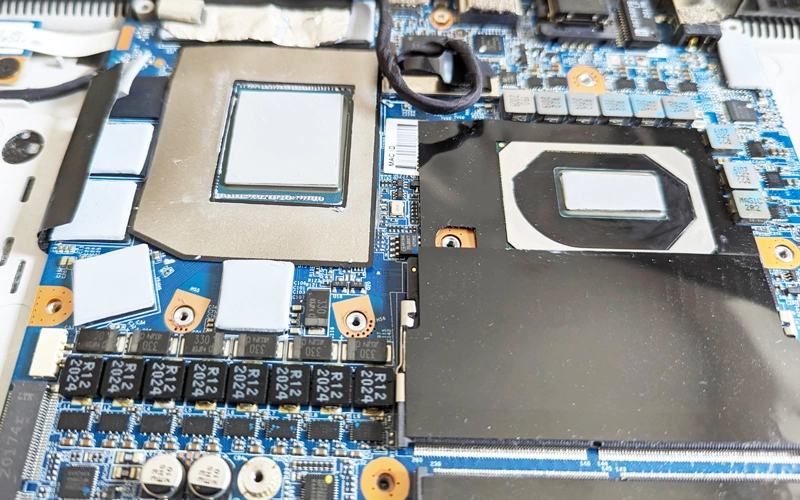
You can use thermal pads on laptop CPUs, When it comes to keeping your laptop running smoothly, managing heat is crucial. Overheating can cause thermal throttling, reduced performance, and even perman...
We use cookies to optimise and personalise your experience, but you can choose to opt out of non-essential cookies.
To find out more, read our Privacy Policy


 +86 755 2976 5899

 English