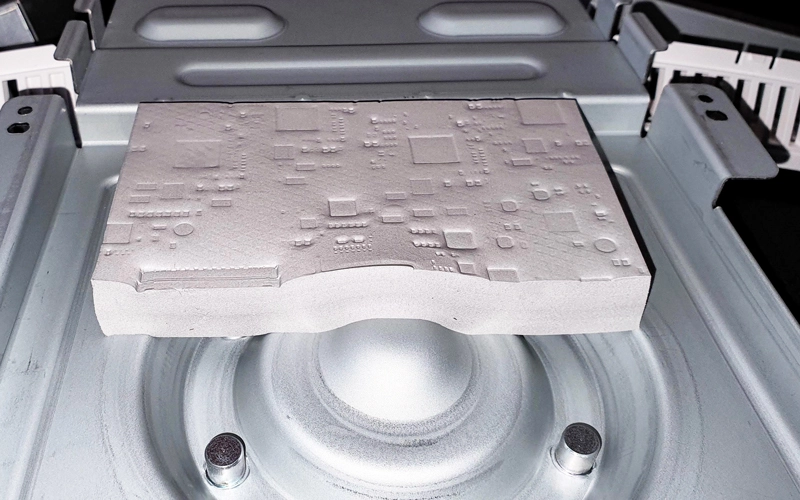
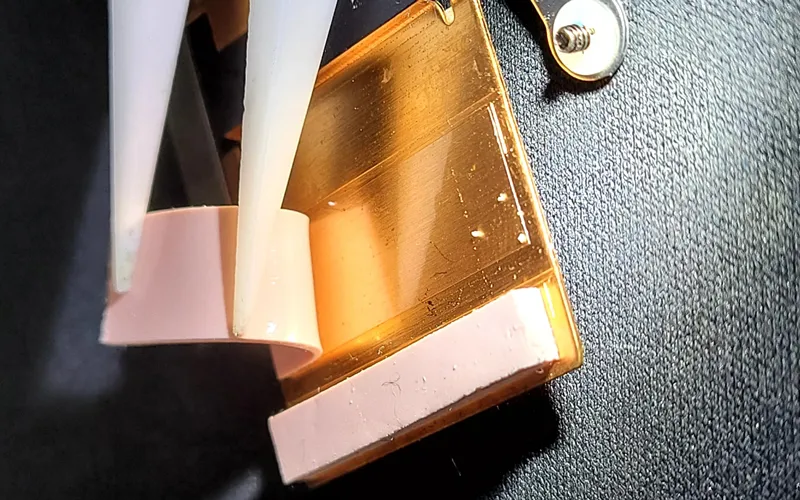
Thicker thermal pads can improve thermal performance by filling gaps between surfaces and providing better contact. However, they can also introduce other issues, such as increased thermal resistance ...
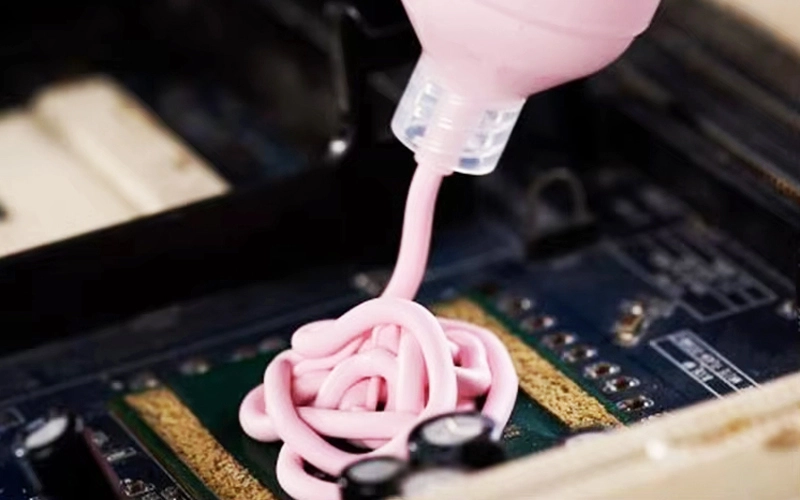
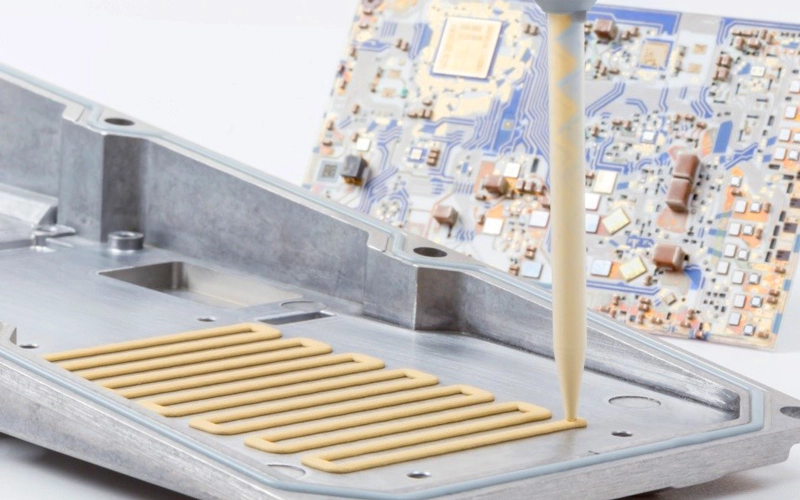
Thermal putty is typically used in areas where you need to enhance thermal conductivity between components.Between Heat Sinks and Components: Apply it between a semiconductor device (like a CPU or GPU...
The maximum temperature for a thermal pad can vary significantly depending on the material and manufacturer. Generally, silicone-based thermal pads can handle temperatures up to around +200°C (+392°...
Selecting the best thermal pad for your application involves understanding several factors, particularly your specific use case. Here's a step-by-step guide to help you choose the right thermal pa...
Thermal gel is a type of thermal interface material (TIM) used to improve heat transfer between two surfaces in electronic devices. Thermal gel fills these tiny gaps, ensuring a continuous thermal pat...
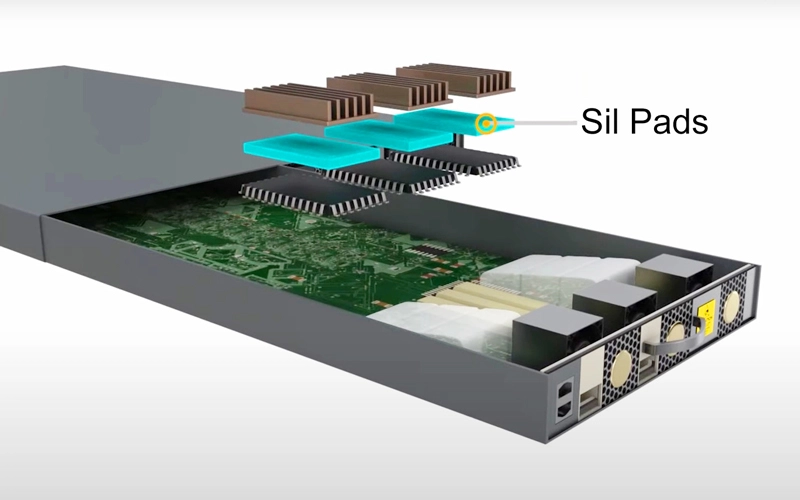
A Sil Pad is a type of thermal interface material (TIM) specifically designed for use in electronic applications, including integrated circuits (ICs). Sil Pads are made from silicone rubber combined w...
The footprint of a thermal pad refers to the surface area of the thermal pad on the heat sink or electronic component. This area is usually related to the size and shape of the thermal pad, which dire...
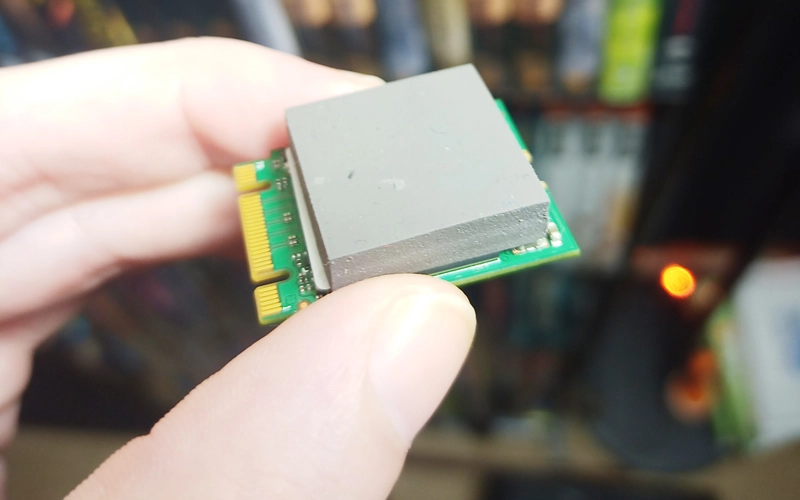
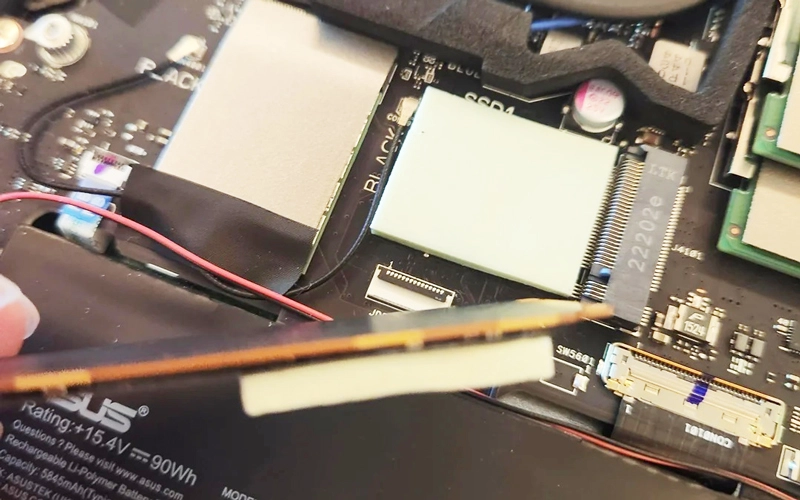
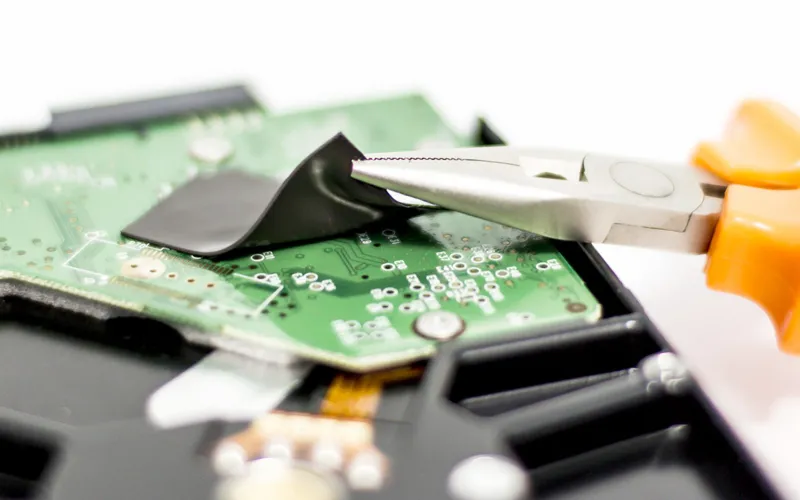
Using a thermal pad instead of paste for air cooling can indeed be a strategic move, depending on the situation. Thermal pads offer certain advantages over thermal paste:Benefits of Thermal PadsEasy t...
Applying heatsink compound (thermal paste) is a critical step in ensuring proper heat transfer between a processor (CPU or GPU) and the heatsink. Here’s a method I use for applying it:Materials:Therm...
We use cookies to optimise and personalise your experience, but you can choose to opt out of non-essential cookies.
To find out more, read our Privacy Policy


 +86 755 2976 5899

 English