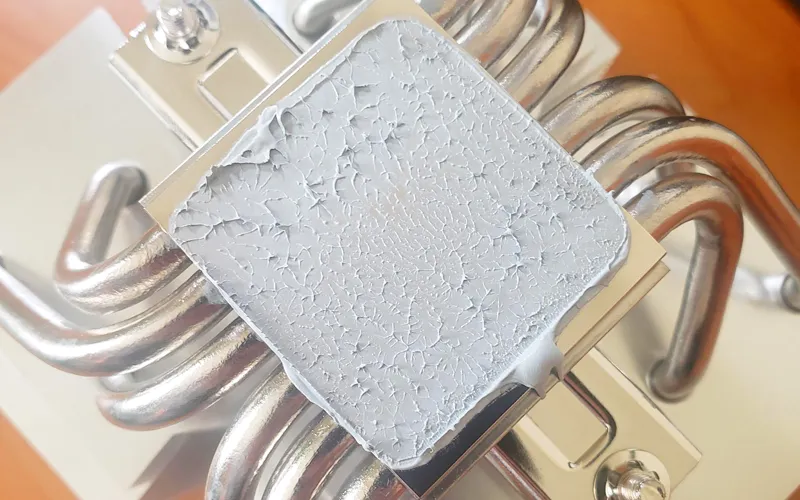
Thermal gel is a type of thermal interface material (TIM) used to improve heat transfer between heat-generating components and cooling surfaces. Also referred to as a thermal interface gel or thermal conductive gel, it fills small air gaps and surface irregularities, creating a more continuous thermal path between the heat source and the heatsink, cooling plate, or enclosure.
This conformable gap-filling ability makes thermal gel particularly useful for electronic assemblies with uneven surfaces or component height variations, including CPUs, GPUs, power electronics, and automotive electronics.
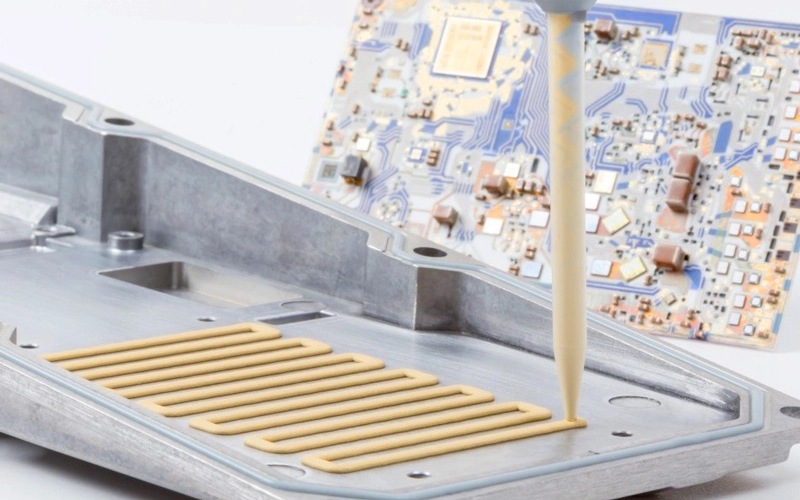
In simple terms, thermal gel works by replacing the air trapped between uneven mating surfaces with a conformable, thermally conductive material. Once dispensed into the gap, it conforms to the component and cooling surface, reducing air voids and creating a more continuous path for heat to move from the heat source to the heat sink, heat spreader or cooling plate. Depending on the formulation, the gel may remain in a dispensable state or cure after application.
Filling Gaps and Imperfections: Electronic surfaces may look smooth, but microscopic surface irregularities can leave small air gaps between a heat-generating component and its heatsink or heat spreader. Because air transfers heat poorly, these gaps can increase interface thermal resistance. Thermal gel fills these spaces and improves contact between the two surfaces.
High Thermal Conductivity: Thermal gel contains thermally conductive fillers that provide a more effective heat-transfer path than air. Heat can move from the hot component through the gel toward a heatsink, heat spreader, or cooling plate. However, actual thermal performance also depends on the applied thickness, contact area, and interface conditions—not thermal conductivity alone.
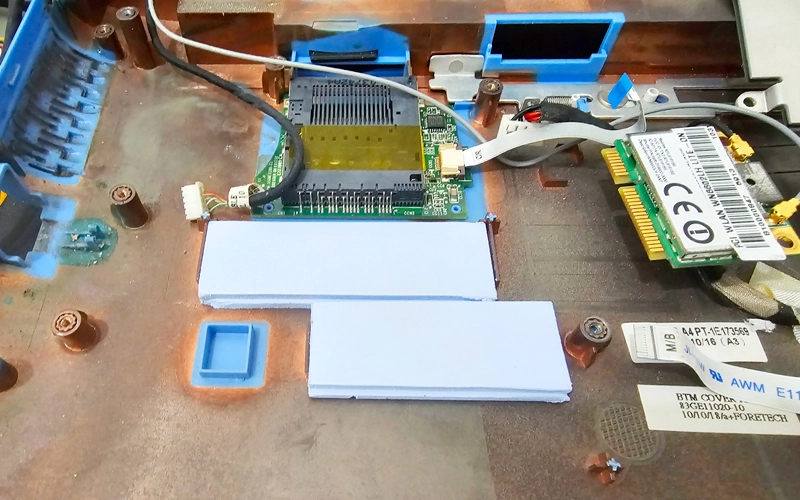
Conformability: Unlike thermal pads, liquid gap filler is highly conformable. It can spread into thin layers to conform to irregular surfaces. This feature makes it ideal for complex assemblies or when surfaces are uneven. This is especially useful where component heights vary or where a single cooling plate must bridge several uneven surfaces. The material can fill the available gap without requiring the same compression force as a preformed pad.
Reliability Under Thermal Cycling: Depending on the formulation, thermal gels can be designed to resist material movement, pump-out, or drying during repeated temperature cycling. For automotive and industrial electronics, these properties should be evaluated together with operating temperature, vibration, gap size, and long-term reliability requirements.
Not all thermal gels behave in the same way after application. The final state depends on whether the material is supplied as a one-part or two-part system.
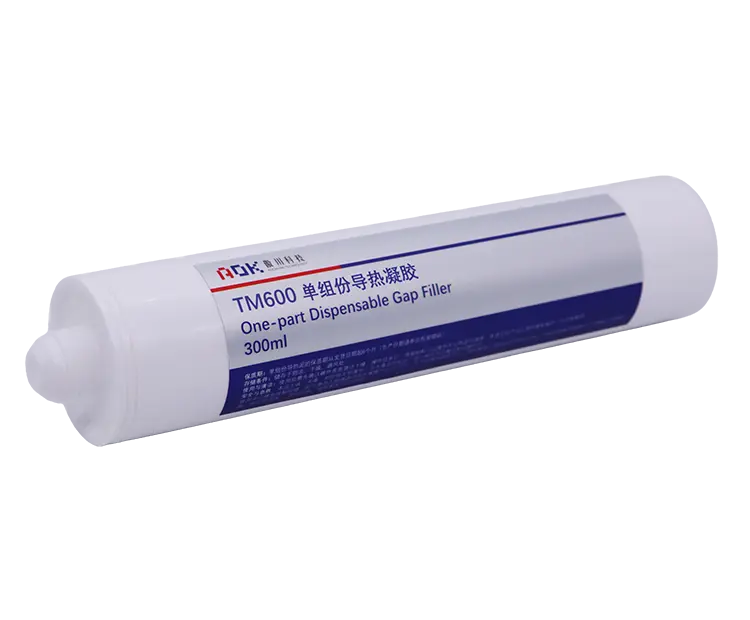
A one-part dispensable thermal gel is supplied ready to use. Depending on the formulation, it may be designed to remain soft without an additional curing step. This simplifies dispensing and eliminates A/B mixing during production.
A two-part thermal gel or liquid gap filler contains separate A and B components. After the two parts are mixed and dispensed, the material cures to form a soft, compliant interface between the heat source and cooling surface.
The heat-transfer principle is the same in both cases: the material fills the gap, displaces air and maintains contact between the two surfaces. The main difference is how the material reaches and maintains its final state after dispensing.
Thermal conductivity is important, but it does not determine the performance of a thermal gel by itself. In an actual assembly, heat must travel through both the gel and the interfaces where the gel contacts the component and cooling surface.
Four factors are especially important:
Factor | Why It Matters |
Thermal conductivity | Determines how readily heat moves through the bulk gel material. |
Gap / bond-line thickness | A thicker layer creates a longer heat-transfer path and generally increases bulk thermal resistance. |
Surface contact | Better conformity reduces air voids and contact resistance at the interface. |
Compression or assembly pressure | Helps establish contact, but excessive pressure may not be suitable for sensitive components. |
This is why a thermal gel should not be selected from its W/m·K value alone. A higher-conductivity material can still perform poorly if the bond line is unnecessarily thick or if the material does not make good contact with the mating surfaces.
For gap-filling applications, engineers should evaluate thermal conductivity together with the expected gap, dispensing behavior, interface resistance and mechanical stress on the components.
For a deeper explanation of the relationship between conductivity and resistance, see AOK's guide to thermal resistance and thermal impedance.
Automotive Electronics: Thermal gel can be used between power electronics, control modules, battery-related electronics, and cooling structures where component heights or interface gaps vary.
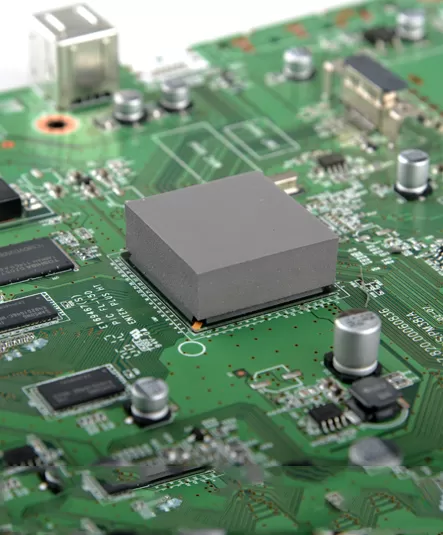
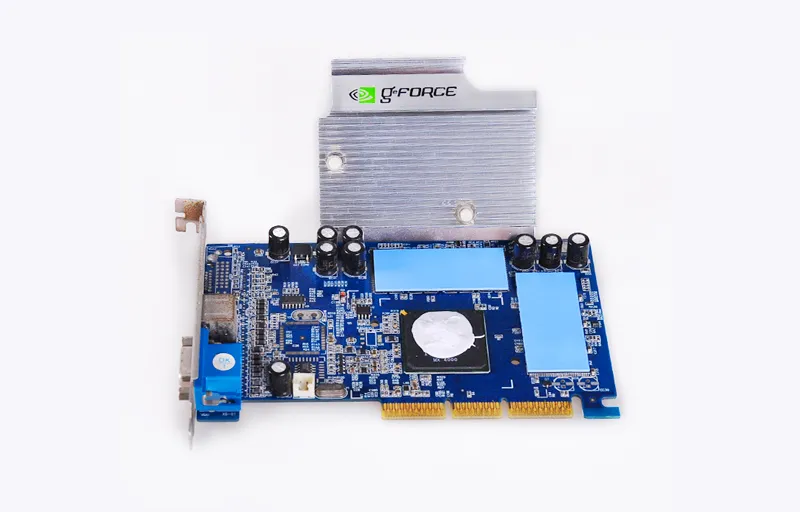
CPUs and GPUs: Thermal interface materials help transfer heat from processors and other heat-generating components toward the cooling system.
LED Lighting: Thermal gel can improve thermal contact between high-power LED assemblies and their heatsinks or housings.
Power and Telecom Electronics: Power supplies, communication equipment, and other high-density electronic assemblies may use thermal gel where several components need to transfer heat to a common cooling surface.
Thermal conductivity is important, but it should not be the only parameter used to select a thermal interface gel. The required gap, bond-line thickness, dispensing process, operating temperature, surface geometry, and mechanical pressure can all affect actual thermal performance.
For production applications, dispensing behavior is also important. A thermal conductive gel must flow consistently enough for the intended dispensing process while remaining stable in the assembled device.
Start with the application conditions first, then compare suitable materials under similar test conditions.
To compare dispensable thermal interface materials for different gap, conductivity and curing requirements, view AOK's liquid gap filler solutions or review the thermal interface material datasheets in the AOK catalogue.
For application-specific material selection, provide the expected gap, contact area, operating temperature, electrical insulation requirements and dispensing process when contacting AOK.

 +86 755 2976 5899

 English