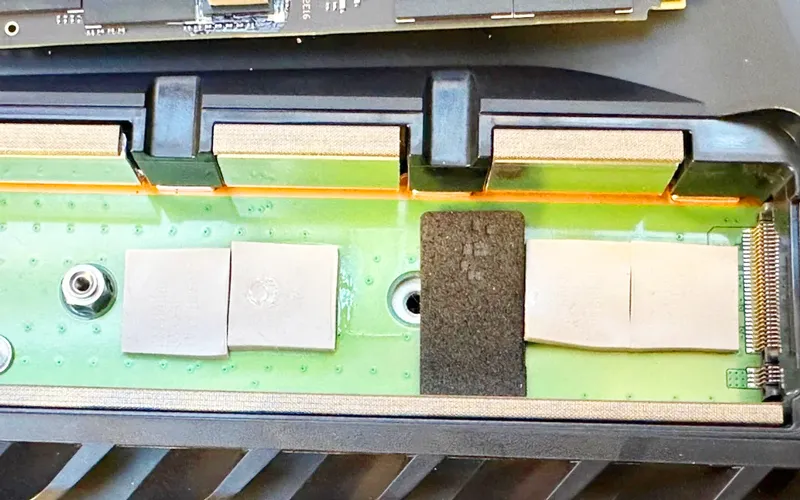
When cleaning thermal pads from an SSD (Solid-State Drive) or any other component, it's important to be cautious to avoid damaging the device. Here's a step-by-step guide on how to clean therm...
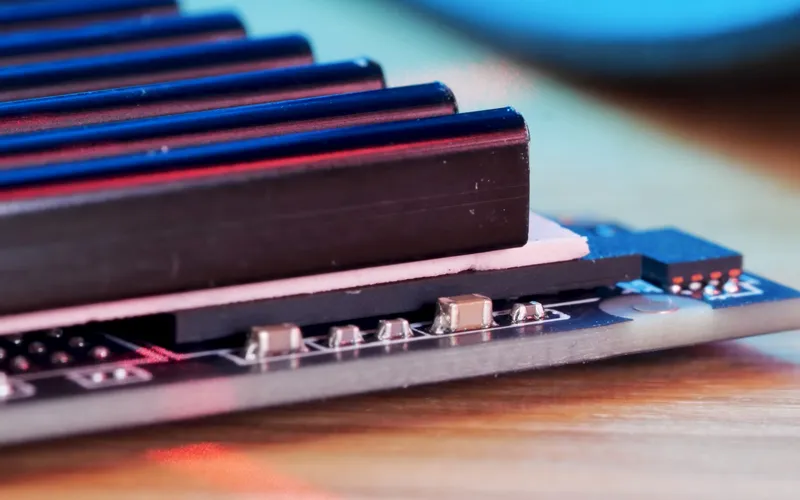
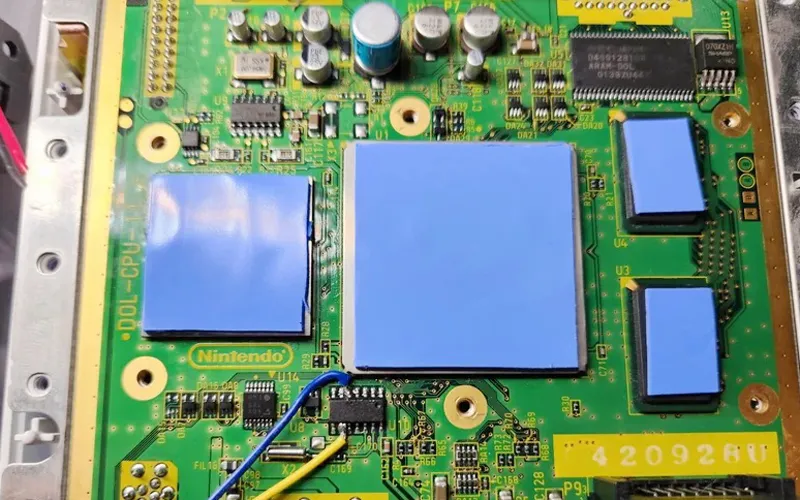
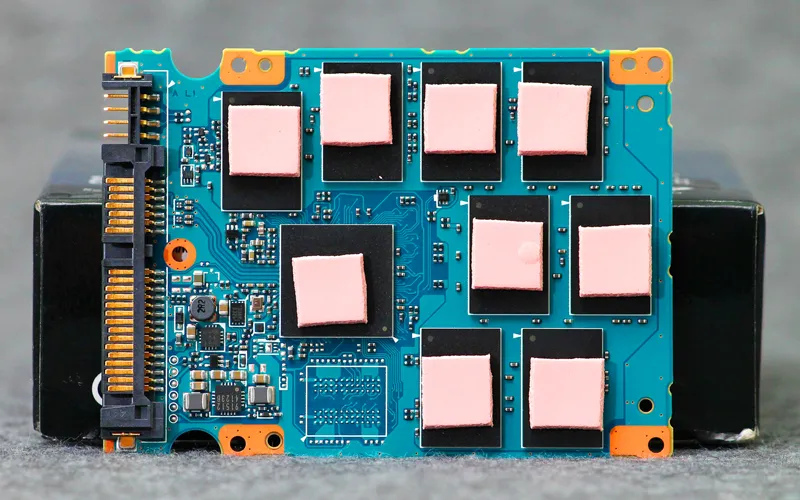
Both thermal paste and thermal pads serve the purpose of reducing and dissipating heat, but they have different characteristics and are suitable for different applications.Thermal PasteThermal paste i...
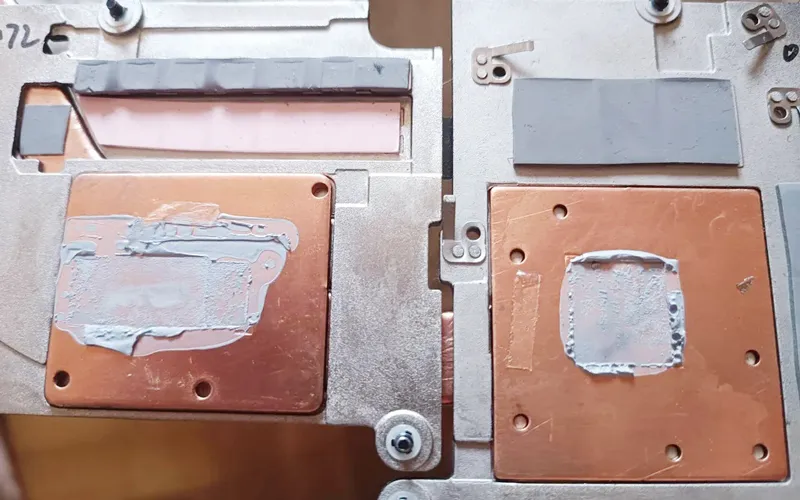
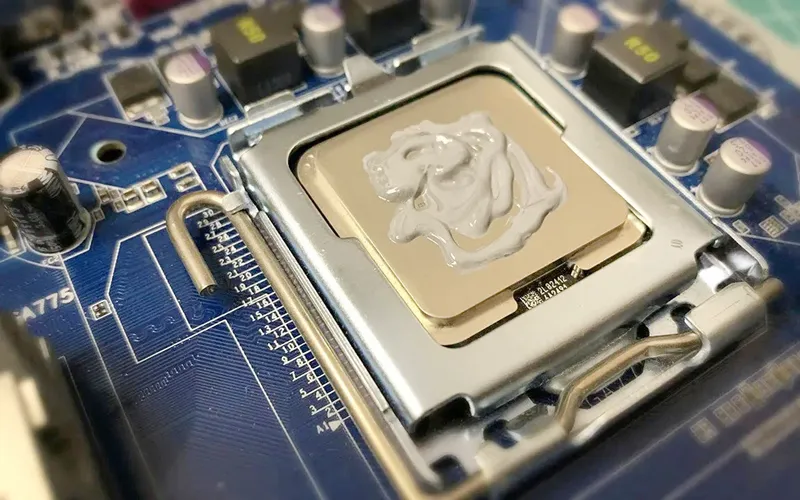
Heat transfer gel, commonly known as thermal paste or thermal compound, is typically used to improve heat transfer between electronic components and heat sinks. When applied correctly, thermal paste h...
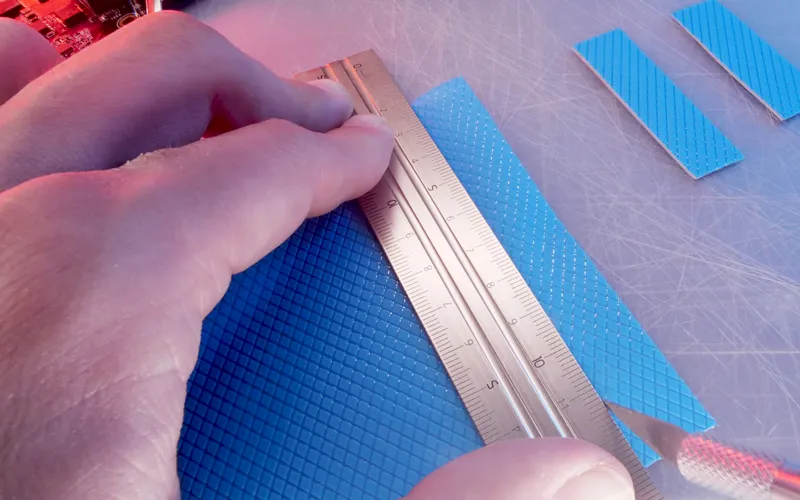
Thermal pads are made through a manufacturing process that involves several steps. It's important to note that the specific manufacturing process for thermal pads may vary depending on the manufac...
The use of thermal conductive pads offers several advantages in various applications where heat dissipation is critical, include efficient heat transfer, ease of application, electrical insulation, co...
Thermal heat pad can be reused in certain situations. Unlike thermal paste, which typically needs to be cleaned and reapplied if the components are separated, thermal heat pad can often be reused with...
Thermal conductive paste, also known as thermal grease or thermal paste, does play a significant role in thermal management and can have a substantial impact on the performance of heat-generating comp...
The choice between using a thermal pad or thermal paste for your specific application depends on various factors, including the components involved, the desired thermal conductivity, ease of applicati...
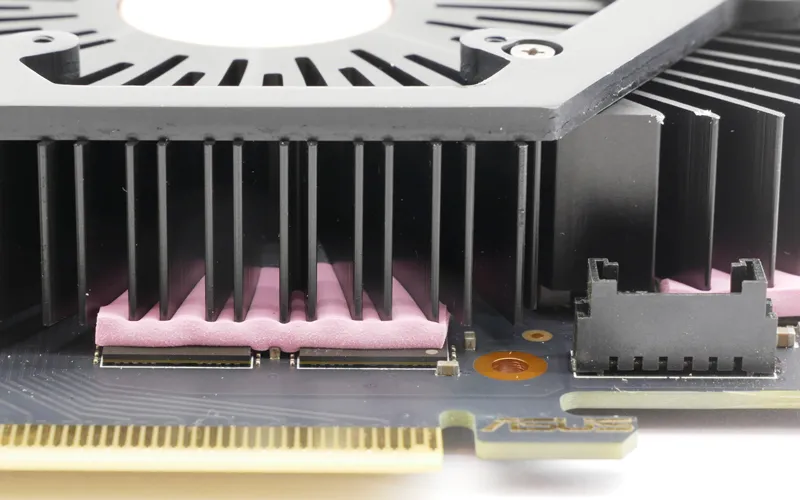
When it comes to thermal pads for VRAM (Video Random Access Memory) modules on graphics cards, there are specific thermal pads designed for this purpose. These thermal pads help in transferring heat f...
We use cookies to optimise and personalise your experience, but you can choose to opt out of non-essential cookies.
To find out more, read our Privacy Policy



 +86 755 2976 5899

 English