Thermal pads are used to provide heat conduction between heat-producing components and heat sinks or other cooling devices. They can be made from various materials, including silicone, ceramic, and ot...
Determining the appropriate thickness and thermal conductivity for a silicone thermal heatsink insulator pad requires considering several factors related to the specific application. Here are some gen...
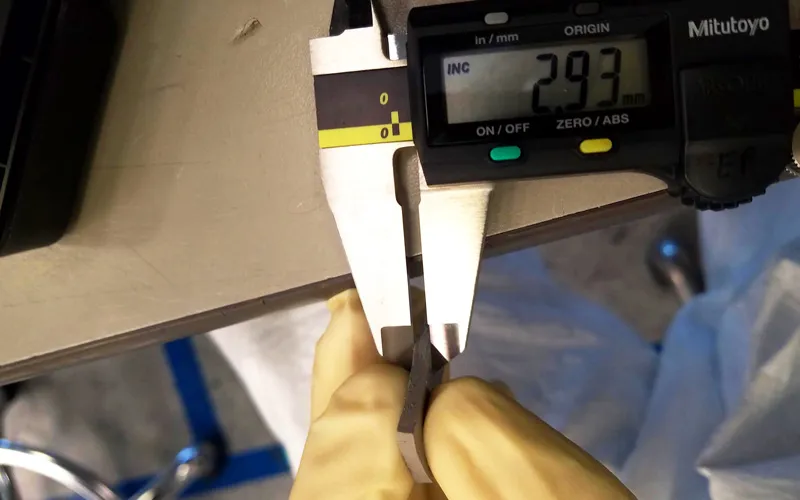
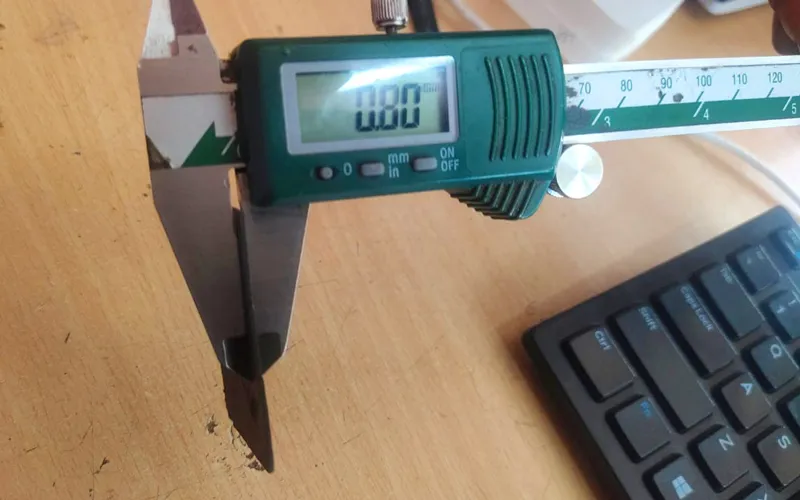
The optimal thickness for a thermal pad depends on several factors, including the size and shape of the component, the thermal conductivity of the pad material, and the thermal requirements of the app...
Thermal silica gel pad is a versatile thermal interface material that can be used in a wide range of electronic applications to improve heat dissipation and increase the lifespan and performance of el...
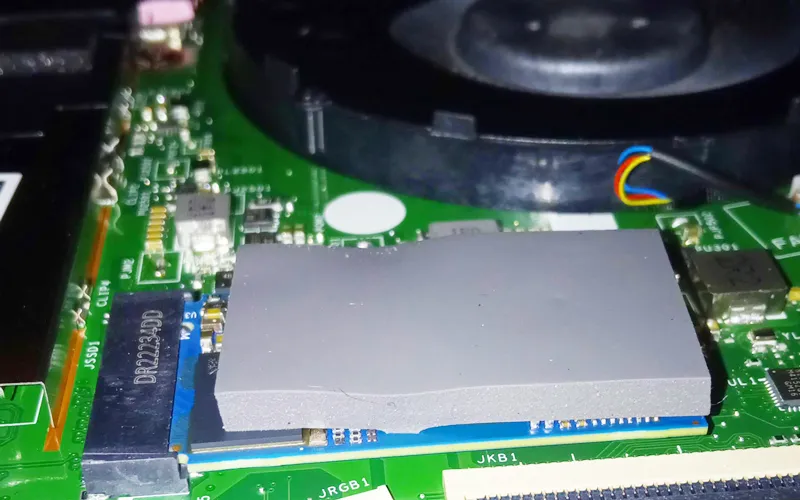
Without a gap thermal pad or some other type of thermal interface material (TIMs), there would be a gap between the heat-generating component (such as a RAM or GPU) and the heat sink or other cooling ...
In the world of thermal interface materials (TIMs), there are many options available for cooling thermal pads. However, not all cooling thermal pads are created equal. Here's a quick rundown of wh...
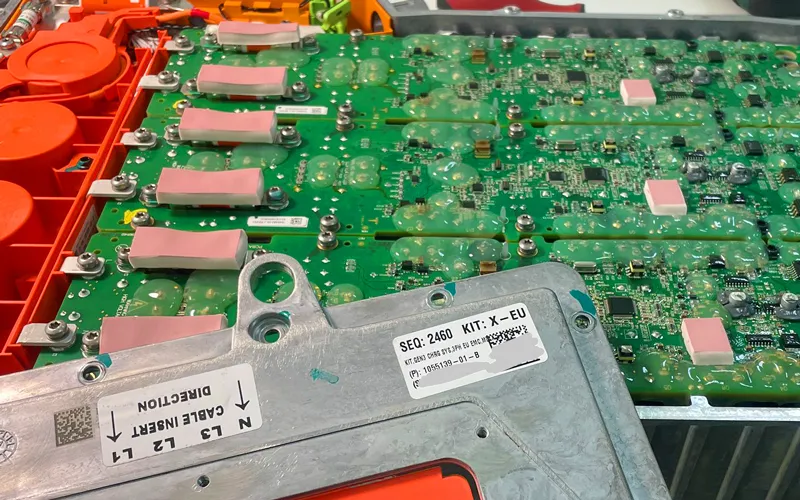
Thermal pads are often used as thermal interface materials (TIMs) between the PCB and the heat sink to improve heat transfer and dissipation. They are designed to fill in any gaps or irregularities be...
To test the thermal conductivity and stability of a thermal pad, you can use the following methods:Thermal conductivity measurement: You can use a thermal conductivity tester or a thermal imaging came...
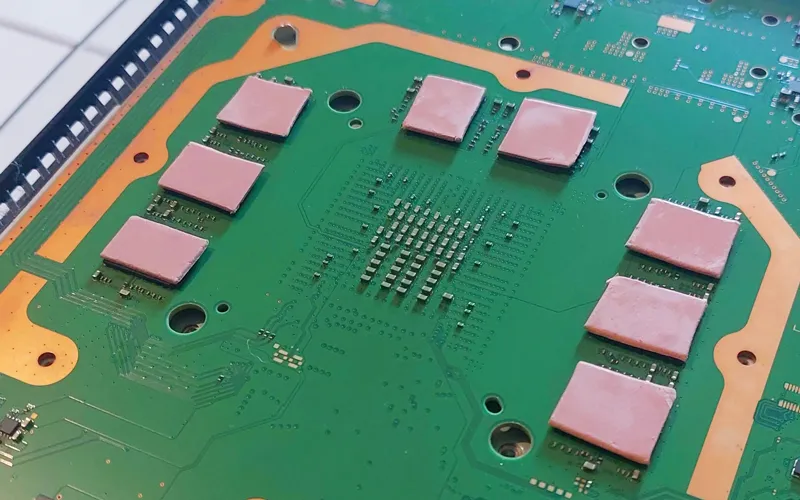
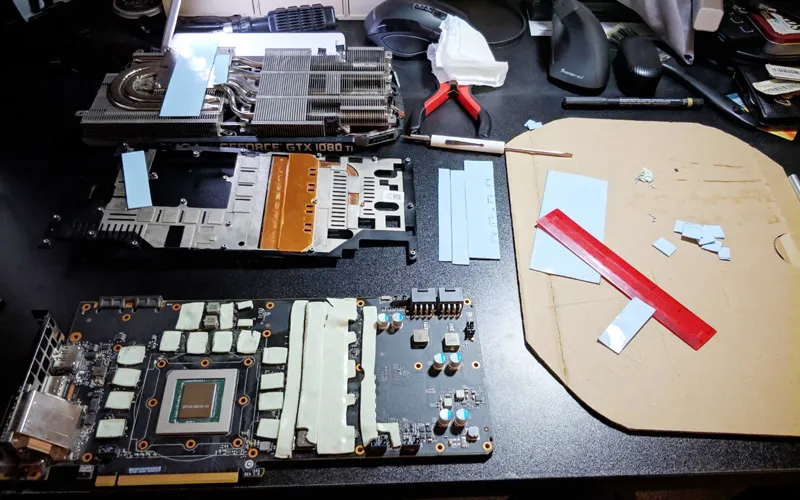
Thermal pad for VRAM (Video Random Access Memory) can be necessary in some cases, depending on the specific graphics card and the cooling solution being used.VRAM modules generate heat during operatio...
We use cookies to optimise and personalise your experience, but you can choose to opt out of non-essential cookies.
To find out more, read our Privacy Policy


 +86 755 2976 5899

 English