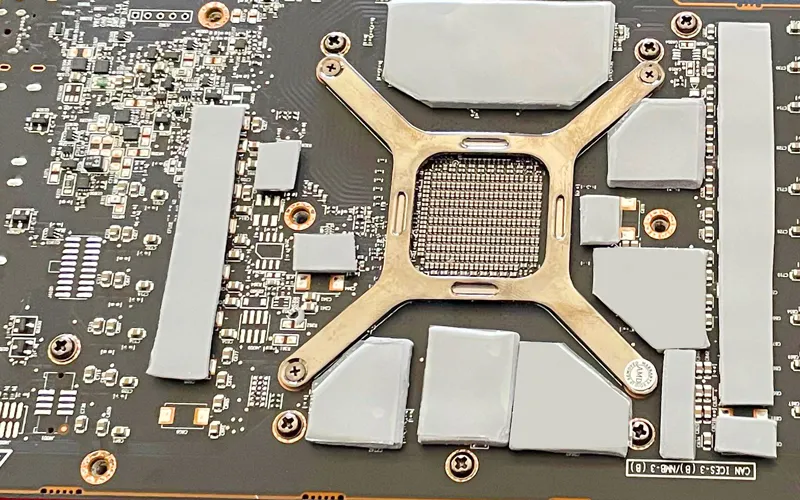
There are several alternatives to silicone free thermal pads, including:Silicone-based thermal pads: These are the most common type of thermal pads used in electronic devices. They are made of silicon...
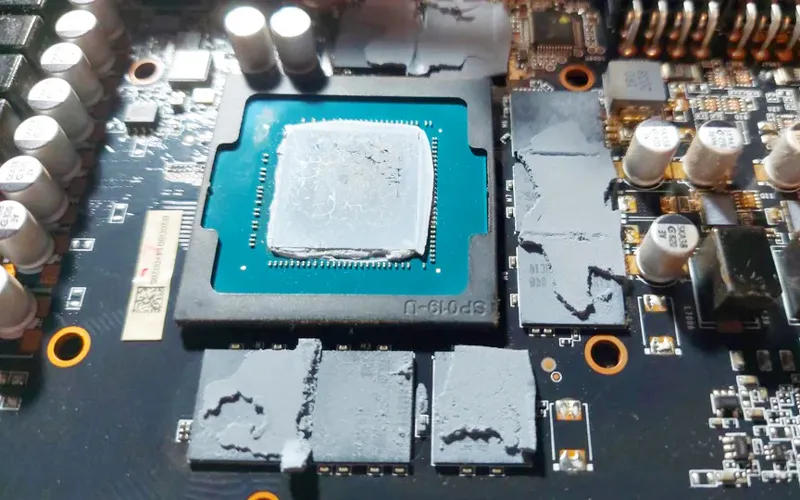
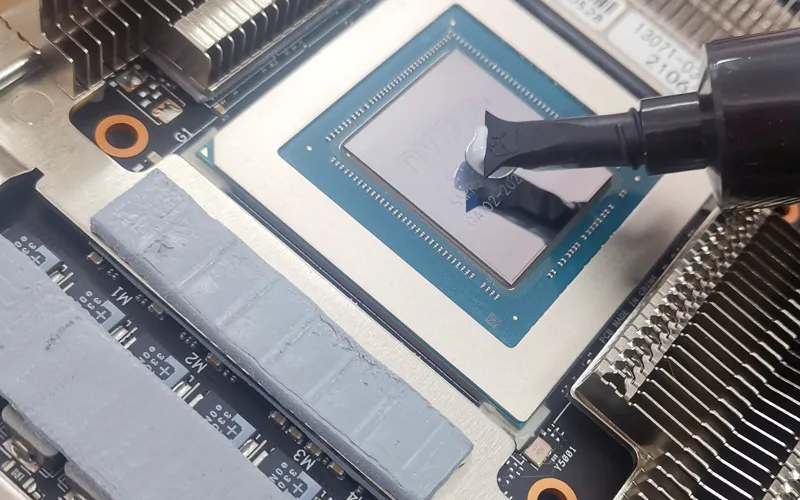
Thermal silicone grease provides better heat transfer than thermal silicone pad. This is because thermal silicone grease has a higher thermal conductivity than thermal silicone pad. Thermal silicone g...
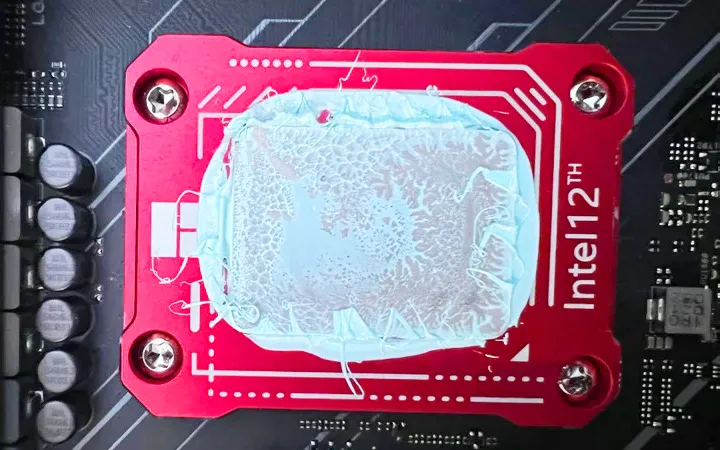
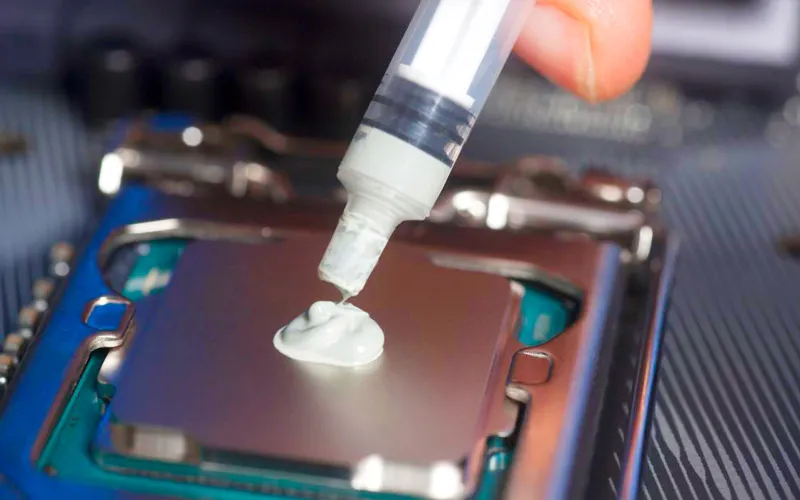
Heat sink thermal grease (also called thermal grease, thermal compound, CPU grease, heat paste, heat sink paste, and thermal interface material) is a sticky paste that's used as an interface betwe...
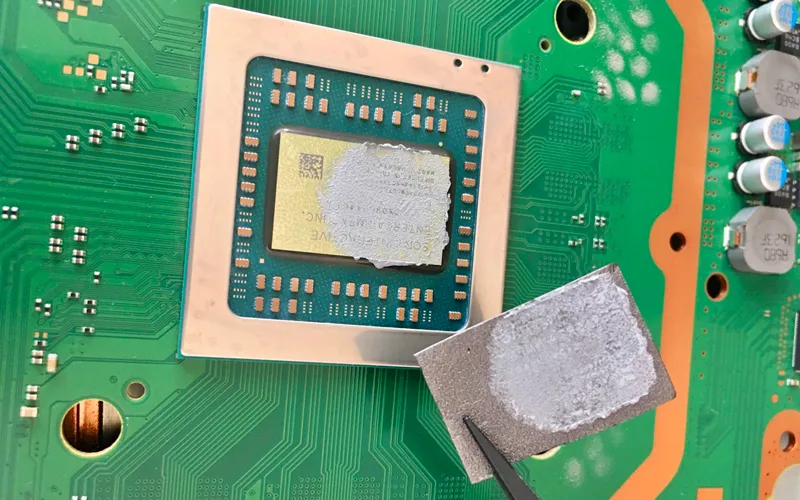
Silicone thermal interface materials fill a fine gap between a heat-generating unit and a heatsink, and efficiently transfer heat.Silicone thermal interface materials (TIMs) are compound materials whi...
Thermal resistance (R) is an empirical property derived from the often-used analogy between electrical and thermal conduction:Equation: R = T1 - T2 / q = △T / qwhere: T1 = component temperatureT2 = h...
For the case of one-dimensional heat-flow, thermal conductivity (K) is defined as follows (fourier's law)Equation: K = q • t / A • △Twhere: q = heat flow (or power) in Wattst = length of heat p...
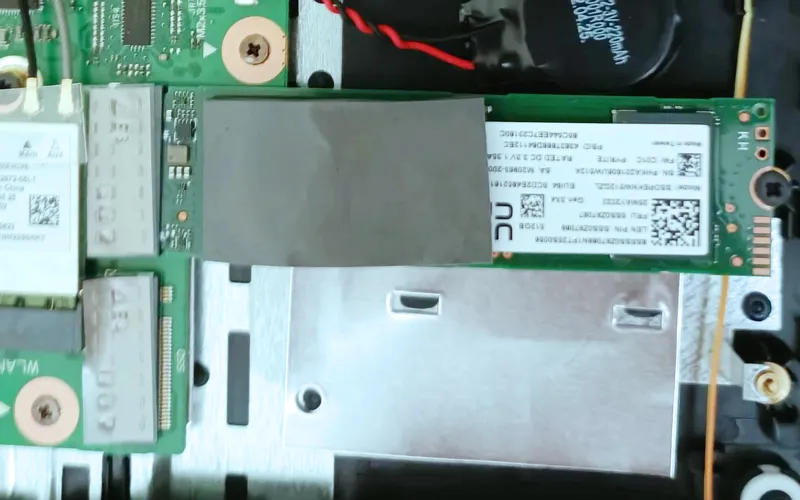
Is necessary, as the frequency of use of NVMe SSD is getting higher and higher, in order to ensure the safety and stability of the use process, the addition of thermal silicone pad can ensure that the...
Silicone free thermal pads are thermal interface material that are treated with special resins based on metal oxides and special additives, and are often referred to as non silicon thermal pads, silic...
Yes, applying CPU premium thermal paste is worth it. Thermal paste helps to improve the heat transfer between the CPU and the heatsink, which can help to reduce the temperature of the CPU and improve ...
We use cookies to optimise and personalise your experience, but you can choose to opt out of non-essential cookies.
To find out more, read our Privacy Policy


 +86 755 2976 5899

 English