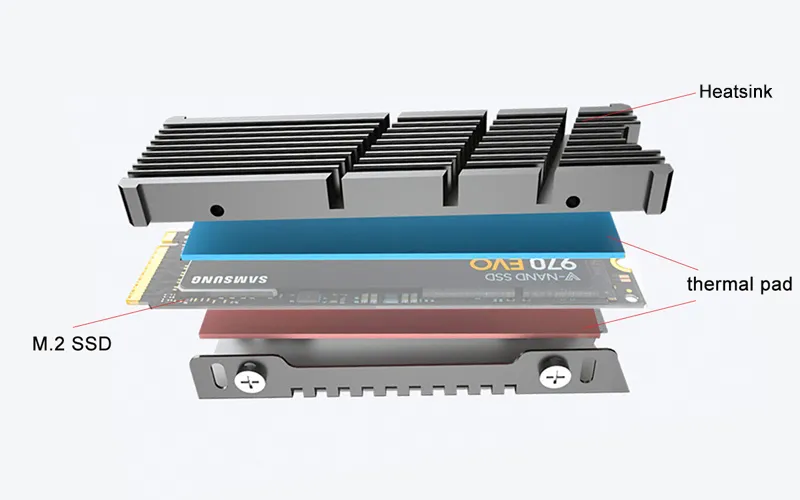
1. Prepare the first thermal padsThe heat sink uses thermal pads to dissipate heat from either side of the blade SSD, the thermal pads may come with plastic liners on each side, so make sure all are r...
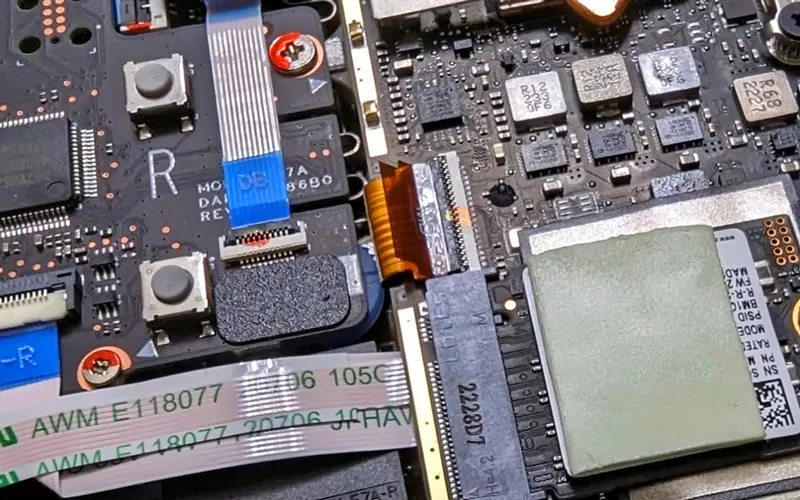
The biggest advantage of the M.2 NVMe solid-state drive is undoubtedly its strong performance and smaller size, but it is this advantage that also leads to the problem of heat accumulation. So How to ...
With the continuous increase of the integration density and power density of electronic appliances, the rise of high-power LEDs, etc., electronic devices will release a lot of heat when they are worki...
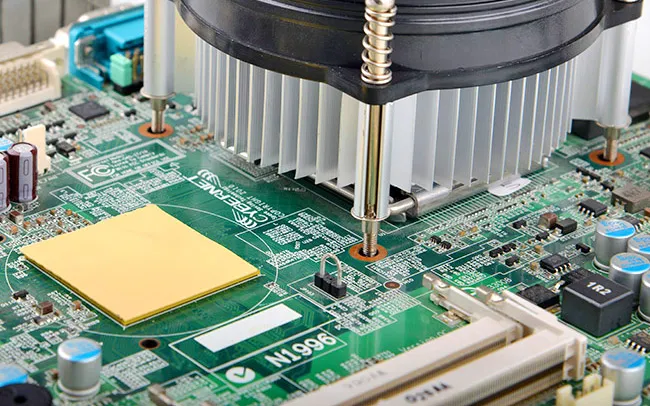
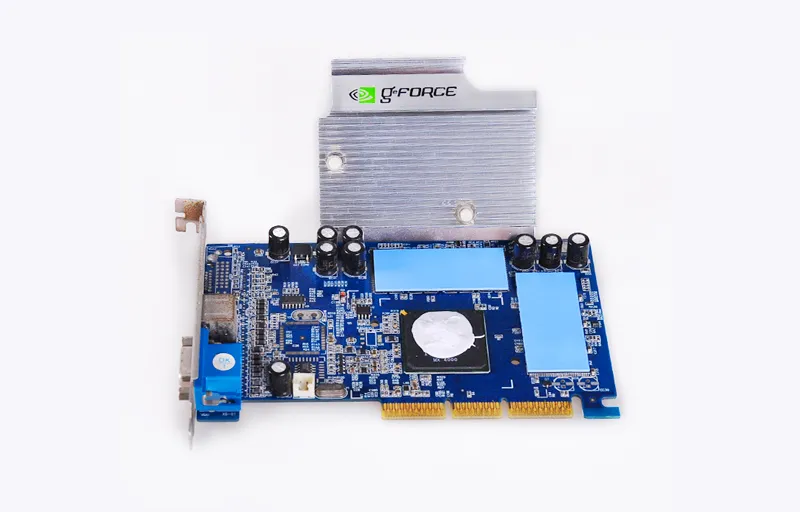
Thermal conductive silicone pad are high-performance gap-filled thermal conductive materials, mainly used for the transfer interface between electronic equipment and heat sinks or product shells. It c...
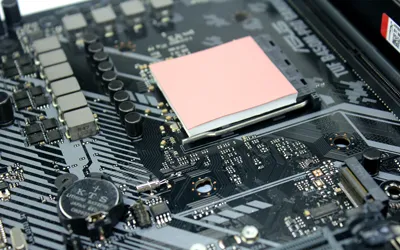
You have heard the word thermal pad as a source of heat transfer within the CPU, but you know where exactly it works? A CPU thermal pad, usually known as an alternative to thermal paste, is used to he...
General introduction to thermal transmissionThermal management is a key designing problem in the new generation products of semi-conductive industry, optoelectronics industry, consumption industry, au...
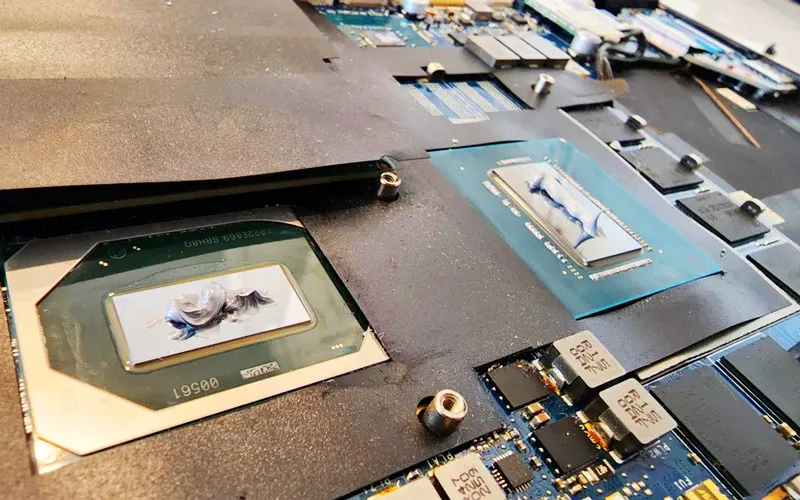
Thermally conductive pastes vs thermally conductive pads are two of the most common methods of cooling a computer. Some people may not know the difference between the two, so here is a breakdown, ther...
As electronic devices continue to integrate more powerful functions into smaller components, temperature control has become one of the most critical challenges in the design, namely how to effectively...
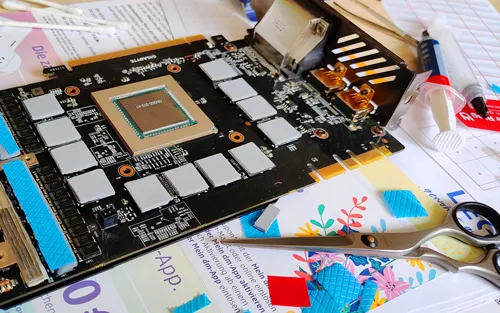
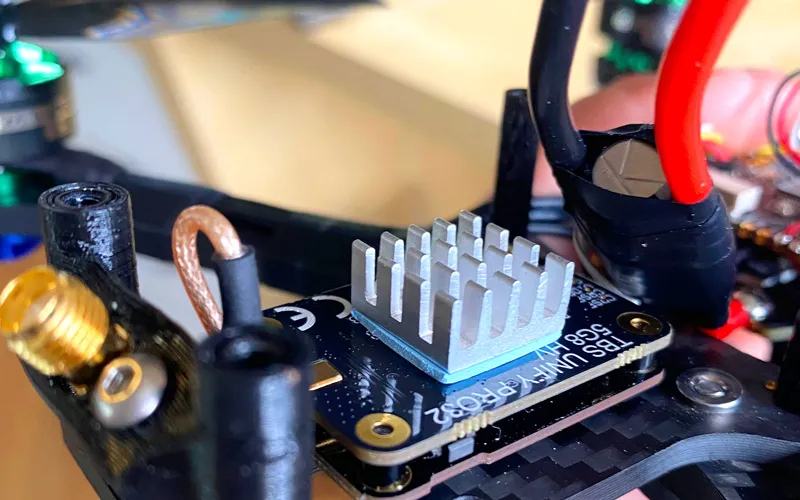
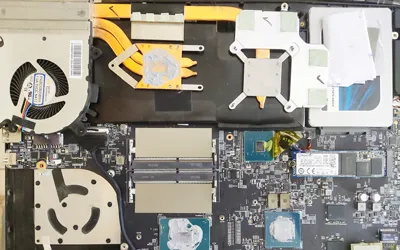
In electronics, thermal pads (also called thermally conductive pad or thermal interface pad) are pre-formed rectangles of solid material (often paraffin wax or silicone based) commonly found on the un...
We use cookies to optimise and personalise your experience, but you can choose to opt out of non-essential cookies.
To find out more, read our Privacy Policy


 +86 755 2976 5899

 English