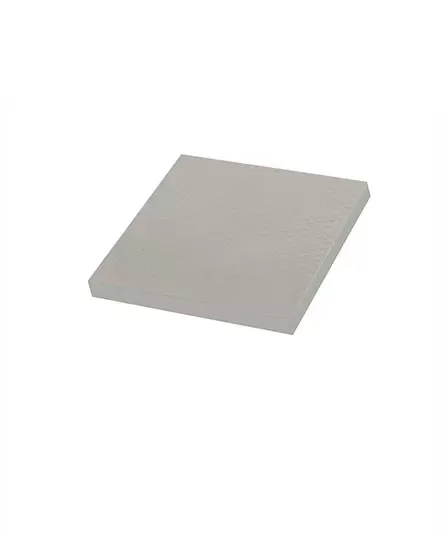
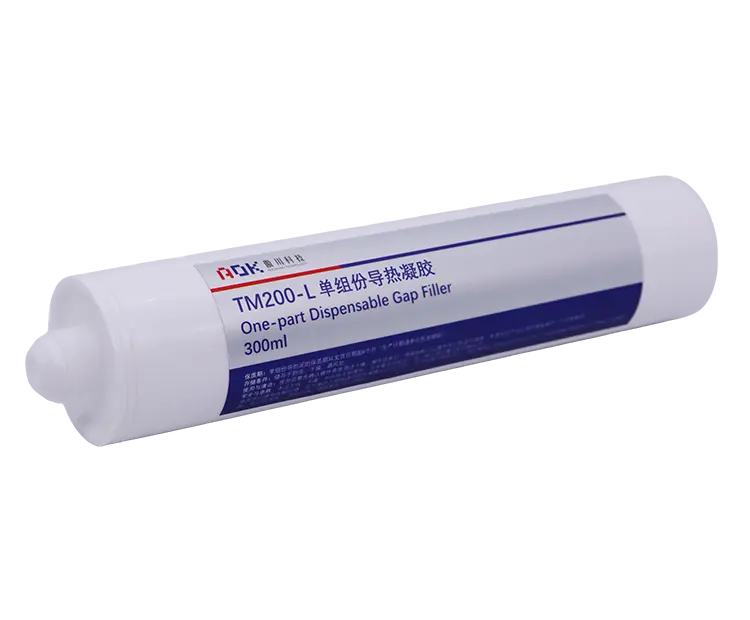
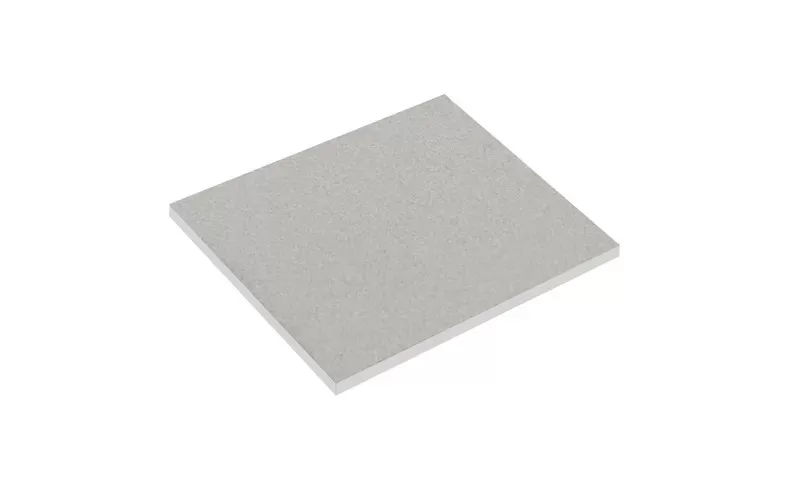
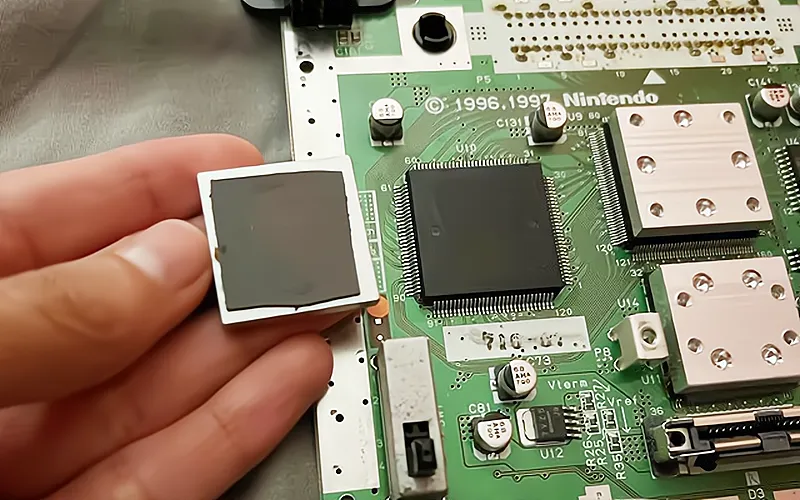
Thermal pads are often used as thermal interface materials (TIMs) between the PCB and the heat sink to improve heat transfer and dissipation. They are designed to fill in any gaps or irregularities between the two surfaces, ensuring maximum contact and efficient heat transfer. The thermal properties of silicone thermal pads include:
| Property | Technical Meaning | Effect on Application |
| Thermal conductivity | Ability of the material to conduct heat | Affects heat transfer through the pad |
| Thermal resistance | Resistance to heat flow through the interface | Used to evaluate actual interface performance under specified test conditions |
| Thickness | Nominal thickness of the pad | Must match the gap between the component and cooling surface |
| Hardness | Softness or firmness of the material | Affects conformability and required compression force |
| Compressibility | Amount the pad deforms under pressure | Helps accommodate tolerances and improve surface contact |
| Electrical insulation | Dielectric performance of the material | Important when the pad contacts electrically active components |
| Operating temperature | Specified working temperature range | Should match the thermal conditions of the application |
| Long-term stability | Ability to maintain physical and thermal properties over time | Important for thermal cycling and long-term reliability |
Notes: The correct balance depends on the application. A GPU, automotive control unit, power supply, and LED assembly may all require different combinations of these properties.
Thermal conductivity describes how effectively heat moves through the thermal pad material and is normally expressed in W/m·K.
Silicone itself is not what gives a thermal pad its high heat-transfer capability. Silicone thermal pads are composite materials in which the silicone elastomer is combined with thermally conductive fillers. The filler system, formulation, and material structure determine the final thermal conductivity.
For example, different AOK silicone thermal pad series are designed at different conductivity levels:
TP150 Series: 1.5 W/m·K
TP300 Series: 3.0 W/m·K
TP400 Series: up to 4.0 W/m·K
This allows the material to be matched to different thermal requirements instead of treating one conductivity value as suitable for every application.
Higher thermal conductivity can be useful where more heat must be transferred, but it should not be used as the only selection criterion. Pad thickness and contact quality also have a major effect on actual interface performance.
Thermal resistance shows how difficult it is for heat to pass through the thermal interface. For a thermal pad, this value is affected not only by the material itself, but also by the pad thickness and how well it contacts the two mating surfaces. This is why two pads with similar thermal conductivity can perform differently in the same application. A thicker pad creates a longer heat-transfer path, while insufficient compression can leave more contact resistance at the interfaces.
When comparing thermal resistance values, always check the test conditions. Thickness and applied pressure can change the result significantly, so values measured under different conditions should not be compared directly.
Silicone thermal pads can operate within a wide temperature range, typically from -40 ~ +200°C. The operating temperature range of a silicone thermal pad depends on it's formulation and the specific application requirements. Always check the product TDS rather than assuming that one temperature range applies to every silicone thermal pad.
Silicone thermal pads are electrically insulating, making them suitable for electronic assemblies where heat must be transferred while electrical isolation is maintained.
For applications where silicone thermal insulation is specified, it is important to distinguish between electrical insulation and thermal insulation. A thermal interface pad is designed to conduct heat across the interface, while also providing electrical isolation when required.
Silicone thermal pads are compressible, allowing them to conform to uneven surfaces and improve contact between electronic components and heat sinks. The amount of pressure required depends on pad hardness, thickness and gap size. Thermal pad compression should therefore be considered as part of the mechanical design rather than simply applying as much pressure as possible.
The silicone heat transfer pad is generally durable and can withstand repeated thermal cycling without significant degradation in their thermal properties.
When selecting a thermal pad for your heat sink, it's important to consider factors such as thickness, thermal conductivity, and compression force. The thickness of the pad should be appropriate for your application to ensure proper contact between the heat sink. The thermal conductivity of the pad should be high enough to facilitate efficient heat transfer, while the compression force should be sufficient to maintain good contact between the surfaces over time.
There are a variety of thermal pads available on the market, each with it's own unique properties and performance characteristics. It's important to select the right thermal pad for your specific application to ensure optimal thermal management. If you need further information or assistance in selecting the right thermal pad for your heat sink, please feel free to contact us.
If you would like to learn more about AOK performance thermal materials, please visit our website at www.aok-technologies.com

 +86 755 2976 5899

 English