In the ever-evolving landscape of technology, thermal management plays a pivotal role. As electronic devices become more powerful, effective heat dissipation is crucial to ensure performance and longevity. One of the most important components in this realm is the thermal pad. This article delves into the science behind thermal pads, explores how they function, examines various types and their applications, and discusses the factors influencing their efficiency. By the end, readers will gain a comprehensive understanding of thermal pads, empowering them to make informed decisions regarding their thermal management needs.
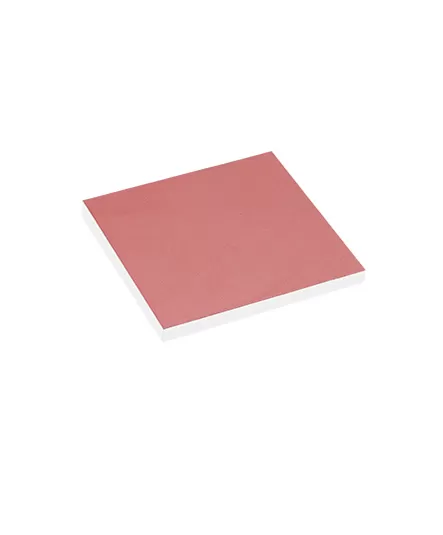
Every powered electronic device generates heat. When the interface between a component and a heat sink is uneven, air can become trapped in the gap, and that slows heat transfer significantly because air conducts heat poorly. A thermal pad solves this problem by conforming to surface irregularities and replacing air with a compressible, thermally conductive material.
This is why thermal pads are widely used in CPUs, GPUs, power modules, LED systems, battery packs, and telecommunications equipment. They are especially valuable when the gap is too large or the surfaces are too irregular for thermal paste to perform well.
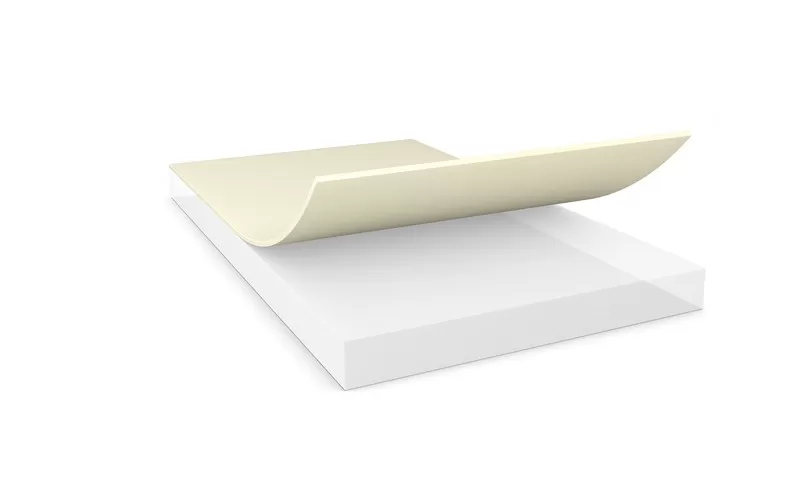
Thermal pads work through three main steps: first, they conform to uneven surfaces; second, they displace air inside the gap; third, they create a continuous heat path from the hot component to the cooling surface. In practice, the pad is compressed under mounting pressure, which lowers contact resistance and helps heat spread more evenly. This is why pads are often preferred when surfaces are rough, gaps are larger, or repeated assembly consistency matters.
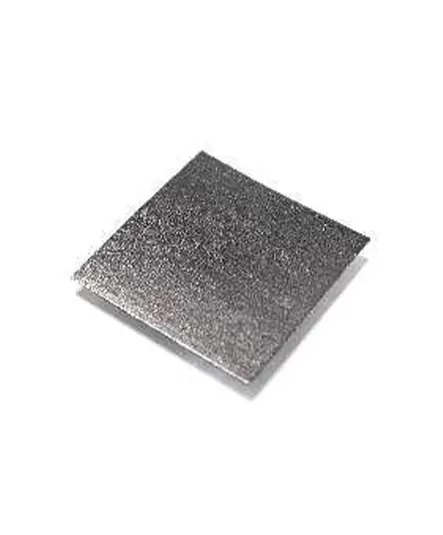
The materials behind thermal pads vary, but silicone-based pads and ceramic-filled pads are common because they balance flexibility, insulation, and heat transfer. Graphite sheets and phase-change materials are also used in some designs, depending on target performance and mechanical constraints.
Thermal pads can be grouped by material and performance level. The table below shows the most common types and how they differ in practice.
Type | Main feature | Typical use case | Strengths | Limitations |
Silicone thermal pad | Flexible, electrically insulating | General electronics cooling | Stable, cost-effective, easy to process, widely used | Performance depends on filler loading and formulation |
Silicone-free thermal pad | No silicone oil bleed / compatibility-focused | Automotive, optical, sensitive electronics | Avoids contamination issues (fogging, contact reliability) | Typically higher cost; fewer material options |
High-conductivity pad | Enhanced thermal conductivity (≥6–12 W/m·K) | EVs, power electronics, telecom equipment | Improved heat transfer, supports high power density | May require higher compression force and tighter tolerance control |
Graphene-based pad | Advanced heat spreading and conductivity | Compact, high-density, next-gen devices | Excellent thermal performance, thin profile | Requires careful integration and cost-performance evaluation |
Phase change material pad | Softens at operating temperature to improve contact | Precision interfaces, CPUs, GPUs | Reduces interface resistance during operation | Needs proper activation temperature and controlled operating conditions |
Thermal pads are common in electric vehicles, consumer electronics, telecommunications hardware, industrial controls, and LED modules. In electric vehicles, they help manage heat in battery systems and power electronics. In consumer electronics, they support compact designs where space is limited and heat density is high.
Telecommunications is another important application area. As 5G infrastructure becomes denser and more powerful, thermal interface materials must help maintain stable operation in continuously running systems. AOK develops thermal solutions for these kinds of applications, including thermal pads and other thermal interface materials designed for demanding industrial use.
While thermal pads are widely used, they are not the only thermal interface solution. Engineers often choose between pads, pastes, greases, and graphite sheets depending on the application requirements.
The table below highlights the key differences:
Material | Main strength | Typical use case | Pros | Limitations |
Thermal pad | Gap filling, electrical insulation | Uneven surfaces, tolerance-heavy assemblies | Easy to install, clean, repeatable, electrically insulating | Lower peak performance than high-end paste under ideal flat-contact conditions |
Thermal paste (thermal grease) | Ultra-low interface resistance on flat surfaces | CPU/GPU dies, precision mating surfaces | Excellent thermal contact when properly applied | Application-sensitive, messy, not suitable for large gaps |
Thermal grease (industrial TIM) | High conformability and wetting | General industrial thermal interfaces | Good surface wetting, adapts to irregular contact areas | Risk of pump-out or dry-out over long-term thermal cycling |
Graphite sheet | High in-plane heat spreading capability | Thin devices, compact electronics | Ultra-thin, clean, reusable in some designs | Limited through-thickness conductivity; requires proper pressure and mechanical design |
In practice, thermal pads are often preferred when consistency, ease of assembly, and gap-filling capability are more important than achieving the absolute lowest thermal resistance.
Selecting the right thermal pad depends on more than just thermal conductivity. Key factors include:
Thermal conductivity (W/m·K): Determines how efficiently heat is transferred
Thickness and compressibility: Must match gap size and mechanical design
Operating temperature range: Especially critical in automotive and telecom systems
Electrical insulation: Required in most electronic assemblies
Long-term reliability: Resistance to aging, pump-out, or material degradation
A well-matched thermal pad improves not only cooling performance but also system reliability over time.
Shenzhen AOCHUAN Technology Co., Ltd. provides thermal pad solutions designed for real-world industrial applications, where reliability and consistency matter as much as performance.
Wide conductivity range
From general-purpose to high-performance options, AOK offers thermal pads to suit different thermal requirements.
Material flexibility
Available in both silicone-based and silicone-free formulations to meet compatibility needs in sensitive environments.
Reliable gap filling
Engineered for stable compression and consistent thermal contact across uneven surfaces.
Proven across industries
Widely applied in EVs, telecommunications, consumer electronics, and industrial systems.
AOK focuses on delivering practical, application-ready thermal solutions that support stable and efficient system performance.
What is a thermal pad?
A thermal pad is a compressible, thermally conductive material used to transfer heat between a component and a cooling surface while filling surface gaps.
How does a thermal pad improve cooling?
It replaces trapped air in the interface with a material that conducts heat more effectively, reducing thermal resistance.
Is a higher W/m·K value always better?
Not always. A higher conductivity rating helps, but only if the pad thickness, softness, and mounting pressure are also suitable.
Can thermal pads be used instead of thermal paste?
Yes, but only when the design has a gap to fill or needs easier assembly. Thermal paste is usually better for tightly clamped, flat surfaces.
Are thermal pads electrically insulating?
Many thermal pads are electrically insulating, which makes them safer for use near sensitive electronic components.
Which industries use thermal pads most often?
They are widely used in electric vehicles, consumer electronics, telecommunications, LED lighting, and industrial equipment.
Thermal pads are a practical and reliable solution for managing heat in modern electronics. By filling gaps, improving contact, and simplifying assembly, they help manufacturers protect performance and improve product stability.
For applications that demand dependable thermal control, AOK provides thermal pad solutions with multiple conductivity levels, customizable specifications, and broad industrial use cases. That makes them a strong fit for electronics teams that need both technical performance and production efficiency.

 +86 755 2976 5899

 English