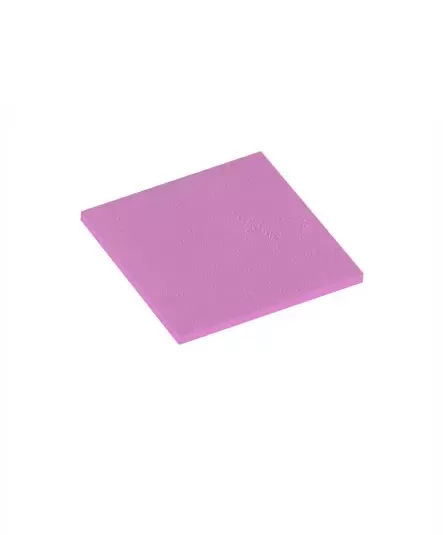
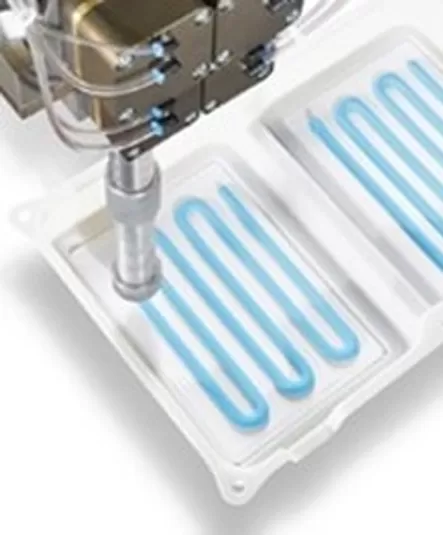
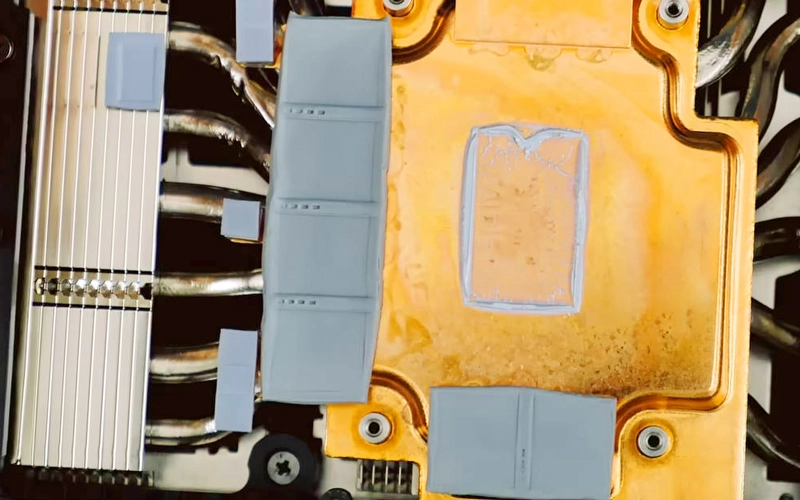
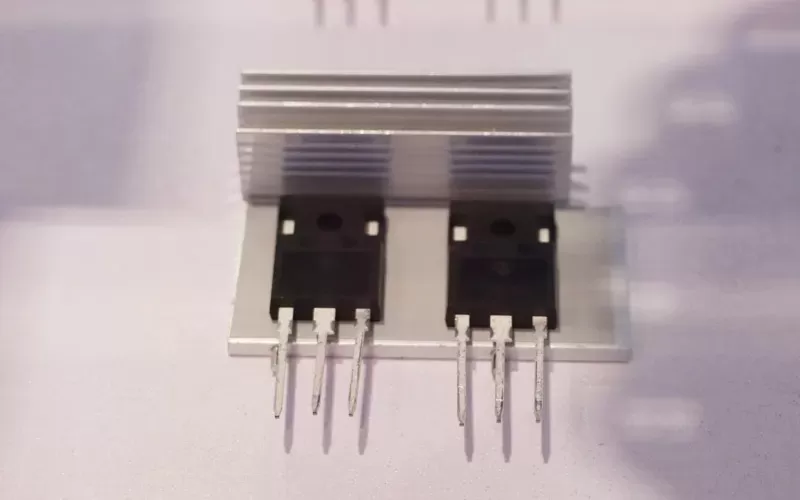
In an era where electronic devices dominate our lives, managing heat effectively has become more critical than ever. The materials that thermal pads are composed of play a vital role in ensuring optimal performance of these devices. This article will delve into the common materials used in thermal pads, discuss their thermal conductivity, and examine how these choices affect overall performance.
A typical thermal conductive pad consists of two main components:
This determines flexibility, durability, and insulation properties.
Silicone (most common)
Non-silicone polymers (e.g., acrylic, polyurethane)
Filler Type | Typical Thermal Conductivity Contribution | Key Benefits | Common In | Recommended Applications |
Aluminum Oxide (Al₂O₃) | 20–30 W/m·K | Cost-effective, electrically insulating | Silicone pads | Consumer electronics, general-purpose thermal pads |
Boron Nitride (BN) | 30–80 W/m·K (through-plane), 100–300 W/m·K (in-plane) | High conductivity + insulation, anisotropic | High-performance silicone & non-silicone | High-reliability electronics, medical, aerospace, EV modules |
Zinc Oxide (ZnO) | 20–50 W/m·K | Good balance of cost and performance | Budget pads | Entry-level electronics, low-cost thermal pads |
Graphite / Carbon Fiber | 200–500 W/m·K (in-plane), 10–50 W/m·K (through-plane) | Ultra-high directional conductivity | Advanced carbon pads | High-power modules, LED arrays, CPU/GPU cooling |
Ceramic Blends | 10–50 W/m·K | Balanced performance, stable & durable | Most commercial pads | General-purpose electronics, industrial thermal pads |
Notes:
Thermal conductivity is affected by fill ratio, polymer matrix, and compression.
In-plane vs through-plane conductivity differences are critical for anisotropic fillers (BN, Graphite).
Recommended applications highlight where the filler type gives best performance and reliability.
Choosing the right thermal pad material depends heavily on your application environment.
Property | Winner for Most Applications | ||
Base Material | Silicone elastomer + fillers | Acrylic/urethane / polyimide + fillers | — |
Thermal Conductivity (typical) | 1.0 – 15+ W/m·K | 1.5 – 8 W/m·K (up to 11+ in premium) | Silicone |
Thermal Resistance (1 mm, 11 W/m·K grade, 20–50 psi) | 0.80–0.35 cm²·K/W (study data) | 0.38–0.28 cm²·K/W (same nominal k) | Non-silicone |
Outgassing / Contamination | Possible silicone volatiles | None | Non-silicone |
Temperature Range | -50 °C to +200 °C | -40 °C to +120 °C (typical) | Silicone |
Compressibility / Conformability | Excellent (soft & tacky) | Good (can be firmer) | Silicone |
Electrical Insulation | Excellent | Excellent | Tie |
Cost | Lower | Higher | Silicone |
Best Applications | Consumer electronics, EVs, telecom, industrial | Medical, optics, aerospace, silicone-sensitive environments | Depends on use case |
Key takeaway from peer-reviewed testing (MDPI 2025): Even when nominal thermal conductivity is identical (11 W/m·K), non-silicone pads often deliver lower real-world thermal resistance thanks to superior surface wetting and adhesion.
The material chosen for a thermal pad is critical to the real-world performance of electronic devices. A high-thermal conductivity pad can reduce thermal resistance between components, such as CPUs and heat sinks, improving device performance and extending lifespan. In contrast, low-quality or poorly matched materials may cause overheating and potential device failure.
Selecting the right thermal pad also improves energy efficiency. For example, in electric vehicles, optimized thermal management enhances battery performance and longevity, resulting in longer driving ranges and fewer charges.
Important considerations beyond thermal conductivity include:
Gap size: Pad thickness must match the component spacing.
Contact pressure: Ideal pressure is typically 20–50 psi.
Surface roughness: Smooth contact surfaces improve heat transfer.
Operating temperature cycling: Materials must withstand repeated heating and cooling without degradation.
Not all thermal pads are equal. A high performance thermal pad is defined by several critical parameters:
1. Thermal Conductivity
Entry level: 1–3 W/m·K
Mid-range: 3–6 W/m·K
High-end: 6–15+ W/m·K
2. Thickness & Compressibility
Typical thickness: 0.5 mm – 5 mm
Helps fill air gaps between uneven surfaces
3. Electrical Insulation
Most pads also function as a thermal insulation pad, preventing short circuits.
4. Long-Term Reliability
Resistance to aging, vibration, and thermal cycling
Important for automotive & industrial applications
In summary, the composition of thermal pads is a pivotal factor in managing heat within electronic devices. By understanding the common materials used, their thermal properties, and the impact of these choices on device performance, manufacturers can better meet the evolving needs of the industry. AOK Technology stands firm in its commitment to providing high-quality thermal management solutions tailored to diverse industry applications.
Are thermal pads electrically insulating?
Yes, most thermal pads also function as a thermal insulation pad, preventing electrical conductivity.
What are thermal pads primarily made of? A polymer matrix (silicone or non-silicone) filled with thermally conductive particles such as aluminum oxide, boron nitride, or graphite.
Are silicone thermal pads better than non-silicone ones? It depends. Silicone pads offer higher typical conductivity and better compressibility; non-silicone pads win on zero outgassing and often lower actual thermal resistance.
Does AOK offer custom thermal pads? Yes. AOK provides full customization of thickness, size, conductivity, and even dual-function (heat + EMI) pads.

 +86 755 2976 5899

 English