In an age where electronic devices are becoming increasingly precise and powerful, heat dissipation has emerged as a critical challenge for R&D engineers. Among the thermal interface materials we ...
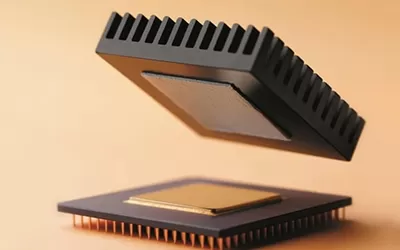
With the continuous improvement of electronic device performance, heat dissipation has become a critical challenge. Particularly for high-power, high-density chips that generate substantial heat durin...
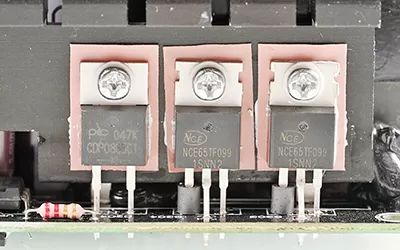
Have you ever wondered why high-power power supply modules can run safely without overheating? Or how the power control system of electric vehicles maintains stability under high-voltage conditions? B...
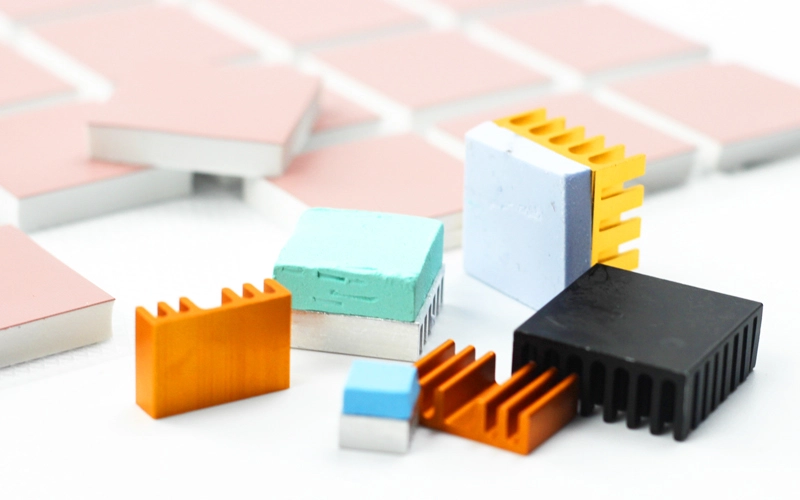
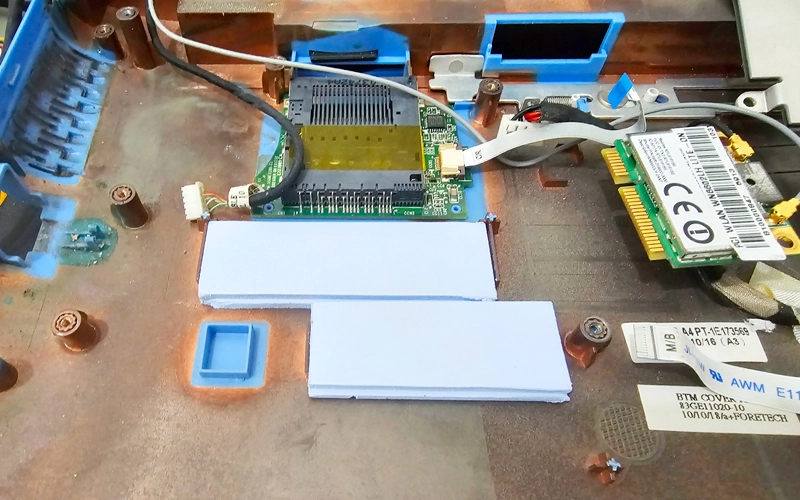
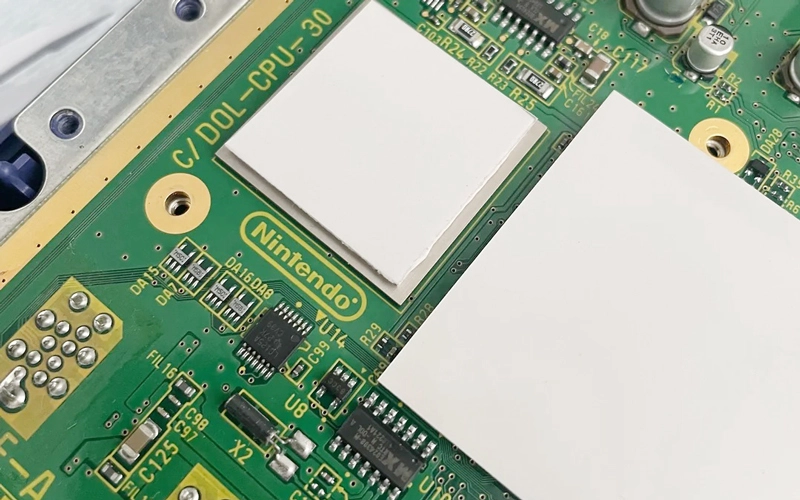
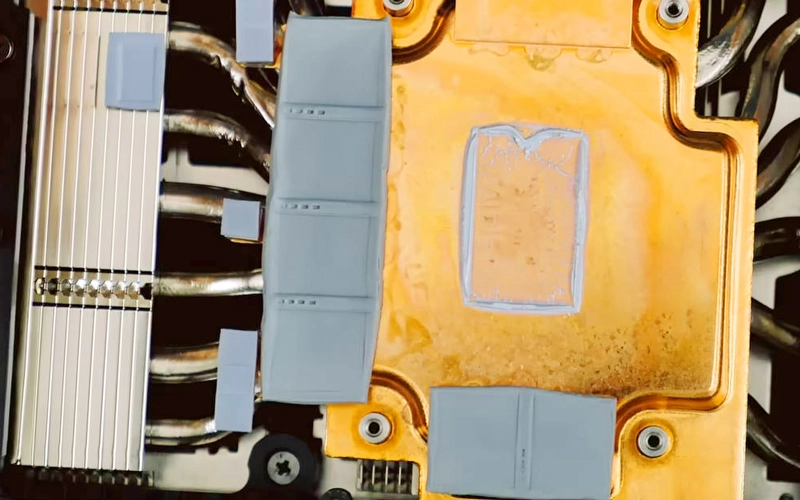
When it comes to thermal management in electronics, choosing the right thermal pad can make all the difference. Whether you're a PC enthusiast, an engineer designing industrial equipment, or a bus...
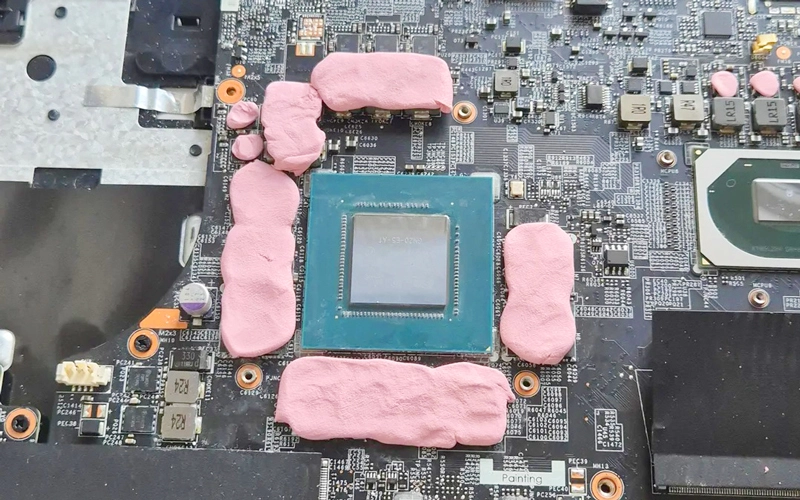
Thermal transfer putty is a soft, moldable material designed to enhance heat transfer between electronic components, such as a CPU or GPU, and their heatsinks. It's particularly useful for filling...
Silicone thermal pads and thermal paste both serve the same purpose—improving heat transfer between components—but their distinct characteristics make them suitable for different applications. Here&...
When using thermal conductive pads, consider the following key factors to ensure optimal performance and avoid common pitfalls:Thickness and CompressionSelect the correct thickness to ensure proper co...
Soft silicone thermal pads need to be compressed to at least two-thirds of their original thickness to ensure they effectively transfer heat between surfaces, such as a CPU and a heatsink.Improved Sur...
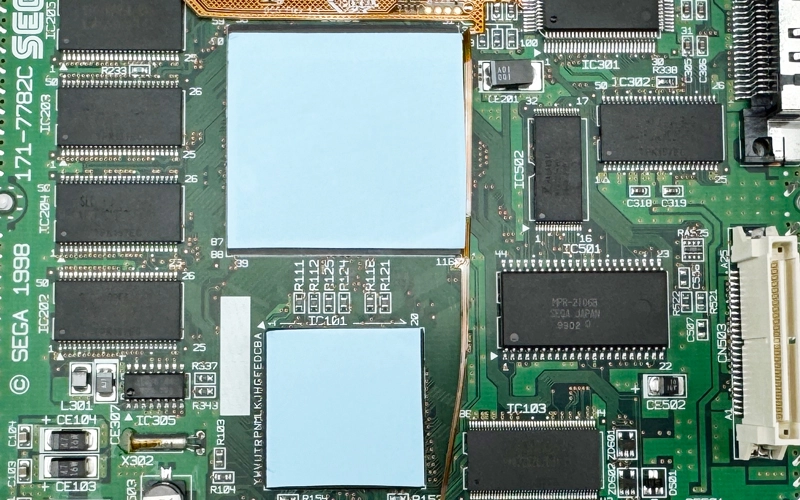
Thermal pads are used in specific scenarios where their unique properties offer advantages over thermal paste. Thermal pads excel in scenarios prioritizing ease of use, durability, insulation, and mec...
We use cookies to optimise and personalise your experience, but you can choose to opt out of non-essential cookies.
To find out more, read our Privacy Policy


 +86 755 2976 5899

 English