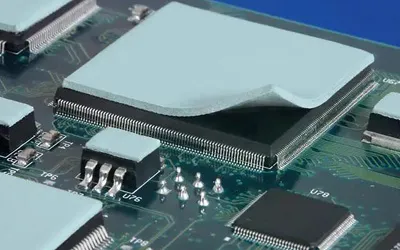
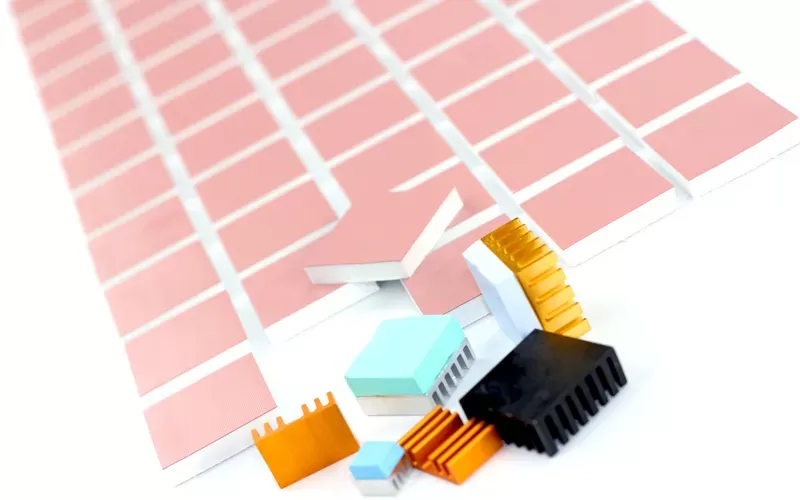
When using thermal conductive pads, consider the following key factors to ensure optimal performance and avoid common pitfalls:
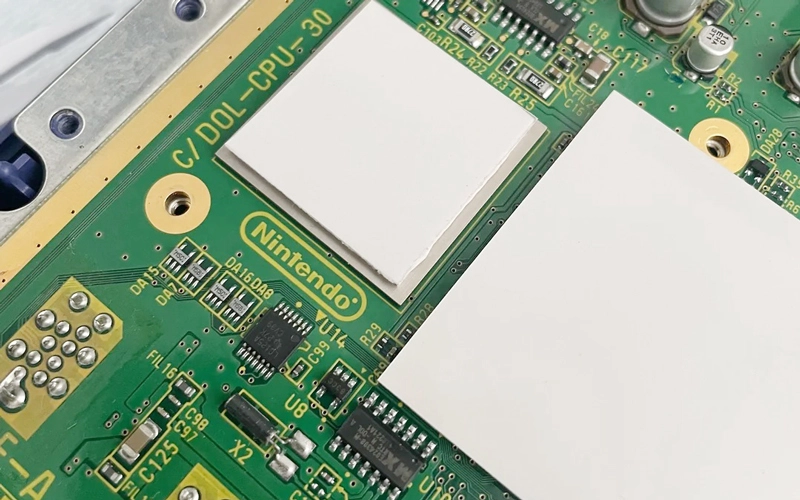
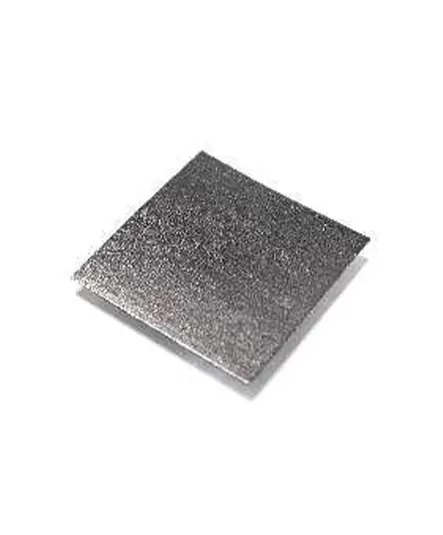
Select the correct thickness to ensure proper contact without excessive gap or pressure. Too thick can hinder heat transfer; too thin may not fill gaps. Ensure even compression when installing to avoid air pockets but avoid over-compression, which might damage components.
Choose a pad with adequate thermal conductivity (measured in W/m·K) for your application. Higher values are better for high-heat components but balance cost and needs.
Verify electrical insulation properties. Most pads are non-conductive, but confirm to prevent short circuits. Ensure chemical compatibility with surrounding materials to avoid degradation.
Clean surfaces thoroughly before application to remove dust, oils, or old thermal material residues, which can impede heat transfer.
Cut the pad accurately to cover the component fully without overlapping onto circuits. Avoid air bubbles by placing the pad smoothly and removing protective films (if present).
Monitor for degradation over time, especially in high-temperature environments. Replace pads if they dry out or crack. Note that pads are typically single-use; reuse after compression is not recommended.
Consider durometer (softness/hardness). Softer pads conform better to uneven surfaces.
Avoid stacking pads, misaligning, or forgetting protective films. Ensure heatsink pressure is adequate but not excessive.
By addressing these factors, you can optimize thermal performance and longevity of both the pad and the component.
If you would like to learn more about AOK performance thermal materials, please visit our website at www.aok-technologies.com

 +86 755 2976 5899

 English