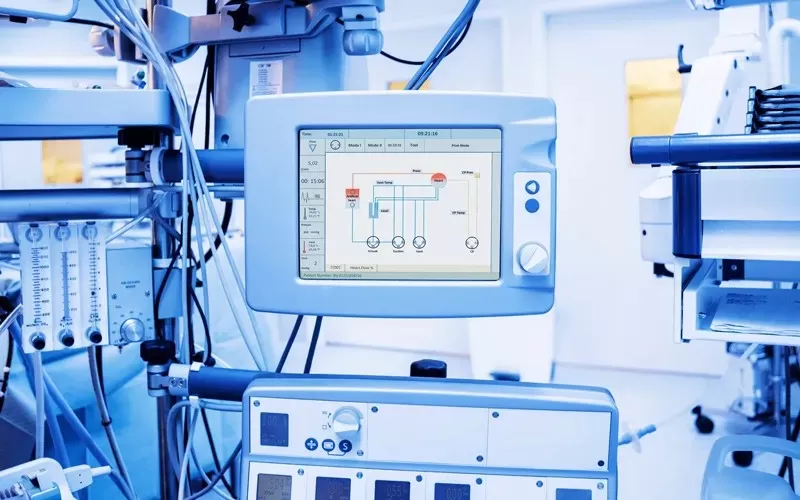
Heat Dissipation: Medical equipment, such as imaging devices, surgical instruments, and monitoring systems, often generate heat during operation. Thermal conductive pads help dissipate this heat effic...
Enhancing the performance of CCTV cameras with thermal gap filler pads is a common practice to improve heat dissipation and overall efficiency. Thermal gap filler pads are used to fill the air gaps be...
In many applications, such as electronic devices, power systems, and high-performance machinery, excessive heat can negatively impact performance, reliability, and longevity. Thermally conductive mate...
When selecting thermal pads for automotive electronics, there are several specific considerations to keep in mind due to the unique requirements and challenges of the automotive environment.1. Tempera...
Effective thermal management is indeed critical for EV (electric vehicle) battery control units (BCUs) due to the sensitive nature of battery systems and their impact on overall vehicle performance an...
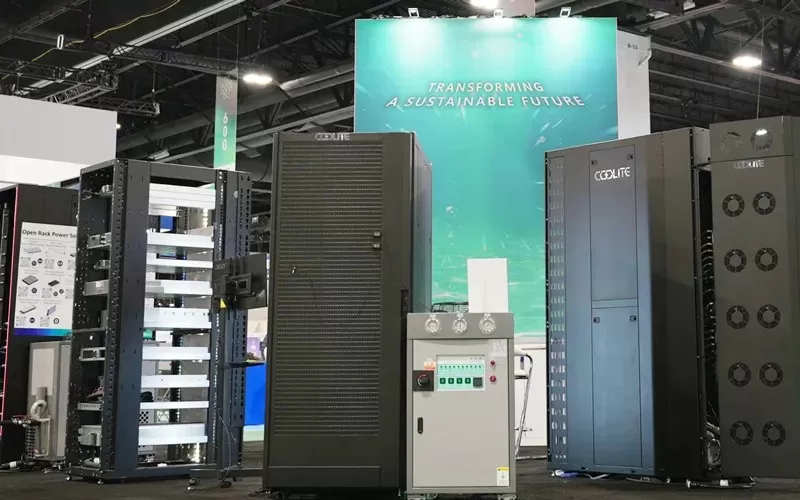
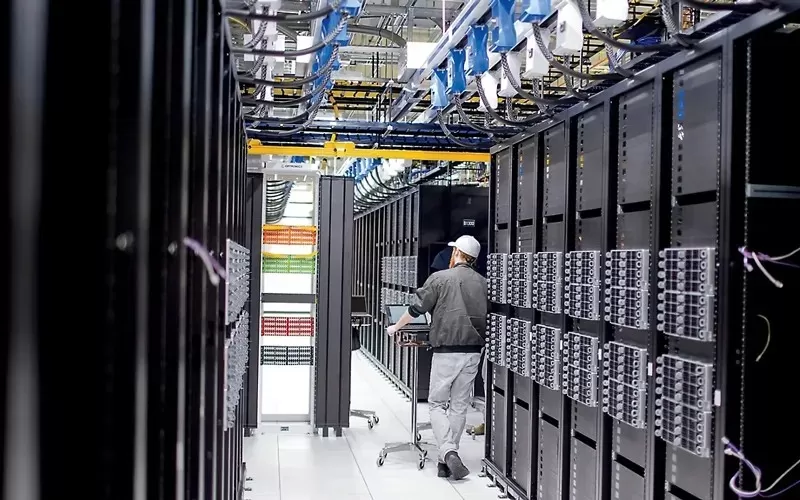
In today's fast-paced digital landscape, efficient server operation is paramount. With the growing supply chain demand for higher performance and reliability, understanding the nuances and approac...
Thermal interface material (TIM) plays a crucial role in the efficient functioning of artificial intelligence (AI) systems. AI systems, especially those involving high-performance computing units like...
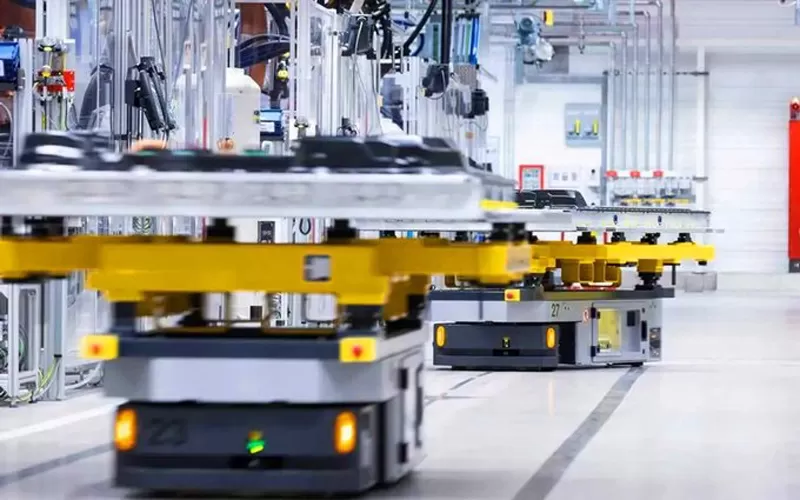
Robot have the capacity to generate significant heat during operational activities through various components including motors, sensors, processors, and other electronic elements. Efficient heat trans...
An LED thermal pad, also known as an LED thermal interface material (TIM), is a specialized material used to enhance the thermal management of LEDs (Light-Emitting Diodes). LEDs can generate heat duri...
We use cookies to optimise and personalise your experience, but you can choose to opt out of non-essential cookies.
To find out more, read our Privacy Policy







 +86 755 2976 5899

 English