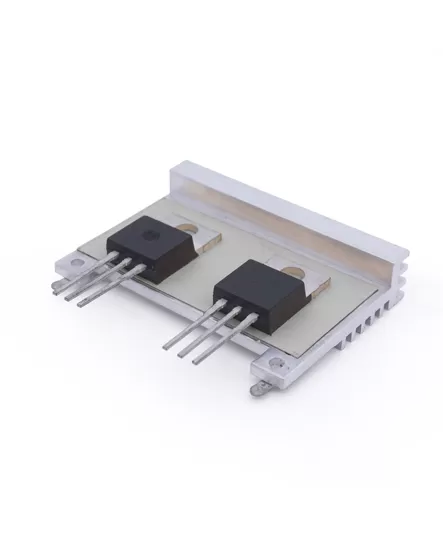
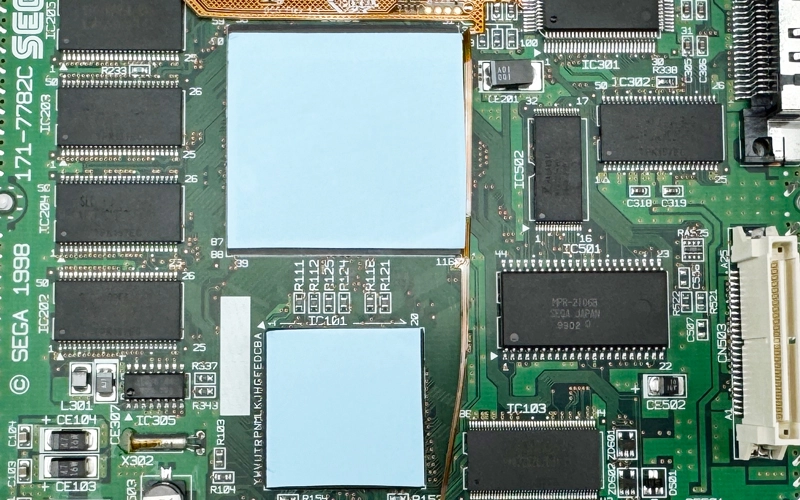
If you are looking for a thermal conductive pad, here are some suggestions for your reference:
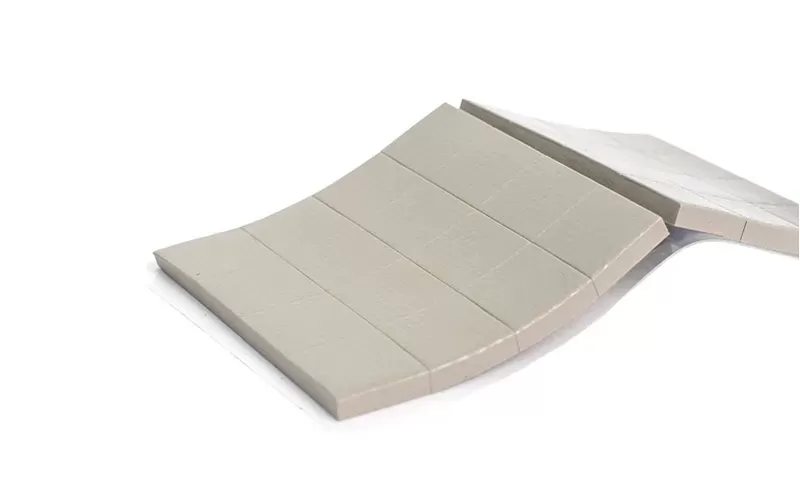
Make sure to choose a thermal conductive pad with good thermal conductivity. Thermal conductivity is usually measured in terms of thermal conductivity, the higher the thermal conductivity, the better the mat will conduct heat. Looking for thermal conductive pads with high thermal conductivity that can help dissipate heat effectively and protect your device from overheating.
The thickness and hardness of a thermal conductive pad is very important to it's performance and suitability. Thinner pads can better fit different electronic devices and provide better heat conduction. In terms of firmness, harder pads may be easier to install, but softer pads fill uneven surfaces better.
Choose the right thermal conductive pad size and shape for your specific needs. Make sure the pad is sized to cover the heat-dissipating portion of the target device and to fit snugly against it's contact area to ensure efficient heat transfer.
Silicone thermal pads usually need to withstand high temperature environments, so choose a pad that can work stably within the operating temperature range of the target device. Review product specifications and ensure that it's temperature performance meets your requirements.
Choose a high-quality thermal conductive pad from a reliable manufacturer. Good quality mats are generally more durable and stable, providing long-term reliable heat transfer performance.
If you need to use thermal conductive pads on electronic devices, please ensure that it has good electrical insulation properties to prevent current leakage and short circuit's.
Price is also one of the factors to consider when choosing a thermal conductive pad. Compare products from different manufacturers and weigh their price against performance to find the most cost-effective option.
Typically have an adhesive backing for easy attachment to device surfaces. Make sure to choose a mat with good adhesion properties to ensure that it sticks firmly to the target device and does not come off easily.
Cuttable and can be cut into desired shapes and sizes as needed. This can make it more adaptable to the shape of various devices and cooling components, providing better contact and heat transfer.
Provide a degree of shockproof and vibration-absorbing capabilities, helping to reduce vibration and shock during device operation. This can be especially important for certain application scenarios, such as heat dissipation in mobile devices or mechanical equipment.
Contain fillers, such as metal powder or ceramic particles, to enhance their thermal conductivity. These fillers increase heat transfer efficiency and help distribute heat evenly.
For certain industries, such as electronics, automotive, or aerospace, there may be specific industry standards and specifications. Make sure the selected thermal conductive pad meets applicable industry standards to ensure it's quality and reliability.
Can be used multiple times without replacement. This saves costs and reduces waste. If you need a thermal pad for long-term use, consider choosing a reusable model.
For customers who are concerned about environmental protection, choosing an environmentally friendly thermal conductive pad may be a consideration. Learn about the material composition and manufacturing process of the mat to ensure it meets environmental standards.
It's best to consider these factors according to your specific needs and application scenarios, and choose a suitable thermal conductive pad. You can refer to the product specifications and technical data provided by the manufacturer for more detailed information. In addition, you can also consult thermal pad suppliers or professional engineers for more accurate guidance.
If you would like to learn more about AOK performance thermal materials, please visit our website at www.aok-technologies.com

 +86 755 2976 5899

 English